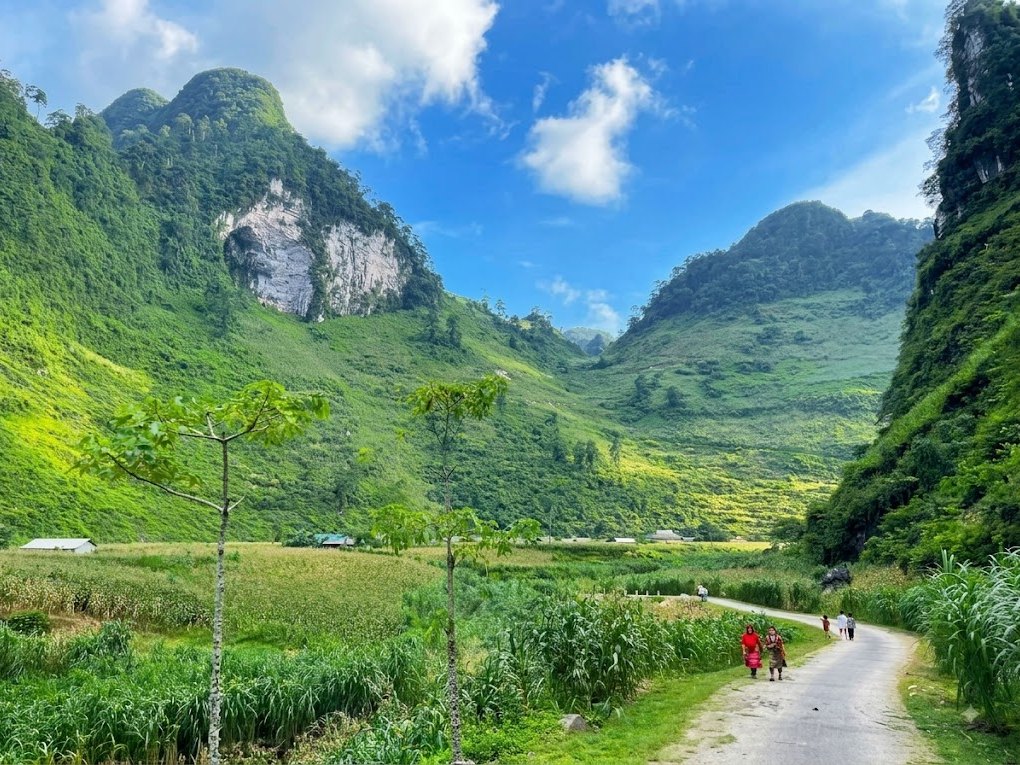
Is the Ha Giang Loop too touristy? Parts of it are, for an hour or two at a time. Ha Giang Loop crowds gather at about six famous stops, on weekends, on Vietnamese public holidays and during the buckwheat-flower peak in early November. Away from those stops and those dates, most of the road is still farms, markets and stone villages where you will meet more buffalo than tour groups.
We are Ha Giang Ali Travel, a licensed tour operator and hostel in Ha Giang city (now part of Tuyen Quang province). Our guides and Easy Riders are on the Loop almost every day of the year, so this guide is built from what we see on the ground, plus the latest official visitor numbers. It tells you where the Ha Giang Loop crowds are, when they peak, and how to plan a trip that feels like the Ha Giang you came for.
How busy is the Ha Giang Loop in 2026? The real numbers
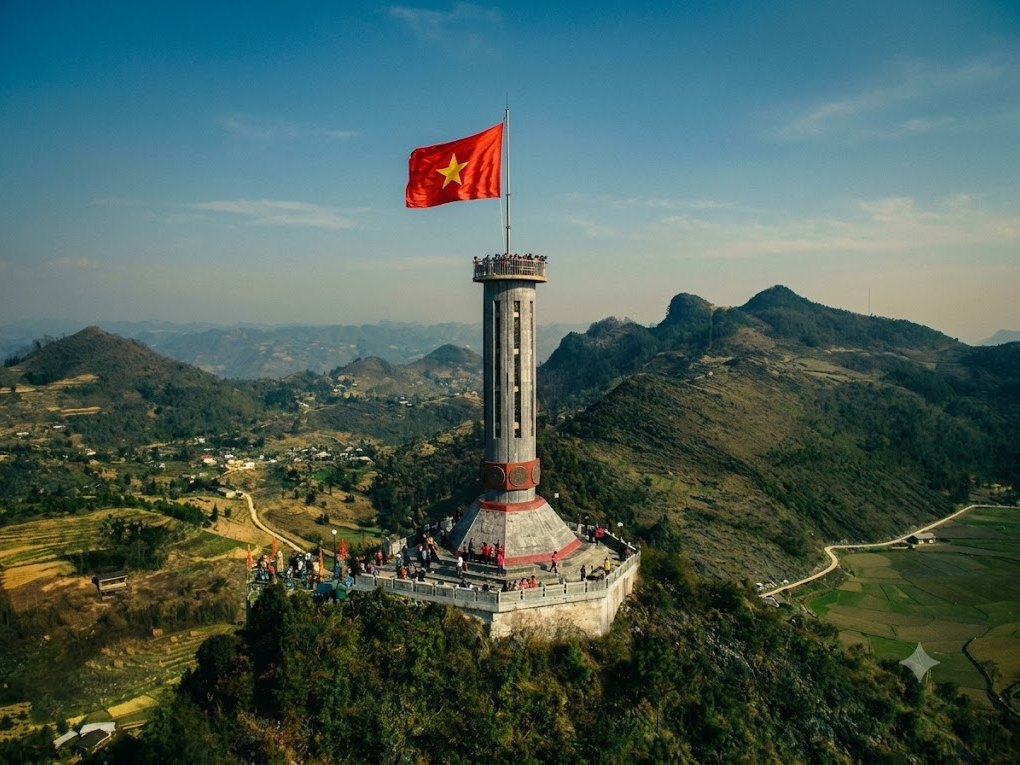
The best public yardstick is the Lung Cu Flag Tower, because almost every Loop itinerary stops there and every visitor buys a ticket. In early October 2026 the provincial newspaper reported the site’s figures for the third quarter (July to September), the rainy, low-to-mid season:
| Lung Cu Flag Tower, Q3 2026 | Visitors | Share |
|---|---|---|
| Total visitors | 93,704 | 100% |
| Vietnamese visitors | 65,927 | 70% |
| International visitors (mainly Europe, China and Korea) | 26,621 | 29% |
| Official delegations | 1,156 | about 1% |
Source: Báo Tuyên Quang, 6 October 2026. Spread over the 92 days of the quarter, that is roughly 1,000 visitors a day, of whom around 290 are international. The same report puts ticket revenue at just over 2.35 billion VND for the quarter and 11.27 billion VND for the year so far. In other words, the first half of 2026 (Tet, spring blossom and the 30 April holiday) brought in about 8.9 billion VND, nearly twice the third quarter’s figure per quarter. Ha Giang Loop crowds are bigger in spring than in the rainy summer.
What the numbers mean for you: a thousand people a day at one landmark sounds like a lot, but they arrive in waves, mostly between late morning and early afternoon, and most of them are Vietnamese day-trippers by car and coach. Seven in ten visitors are domestic, so Vietnamese weekends and holidays shape the Ha Giang Loop crowds far more than the international backpacker season does. If you are still deciding how to shape your route, start with our day-by-day Ha Giang Loop itinerary, then come back here to time it.
Where do Ha Giang Loop crowds actually build up?
From our daily rides, these are the places where you will share the view. None of them are reasons to skip the Loop; they are reasons to time your stop.
- Quan Ba Heaven’s Gate: the first big viewpoint north of Ha Giang city, over the Fairy Bosom Hills. Most tours leave town in the same morning window, so the first wave of Ha Giang Loop crowds arrives here before lunch on day one. See our Quan Ba Heaven’s Gate guide.
- H’Mong King’s Palace at Sa Phin: the 1928 mansion of Vuong Chinh Duc. Coaches stop here on the way to Dong Van, so early afternoon is the busy slot.
- Lung Cu Flag Tower: 286 steps to the flagpole at about 1,700 m. Late morning is when Ha Giang Loop crowds peak here, as riders arrive from Dong Van. Read more in our Lung Cu Flag Tower guide.
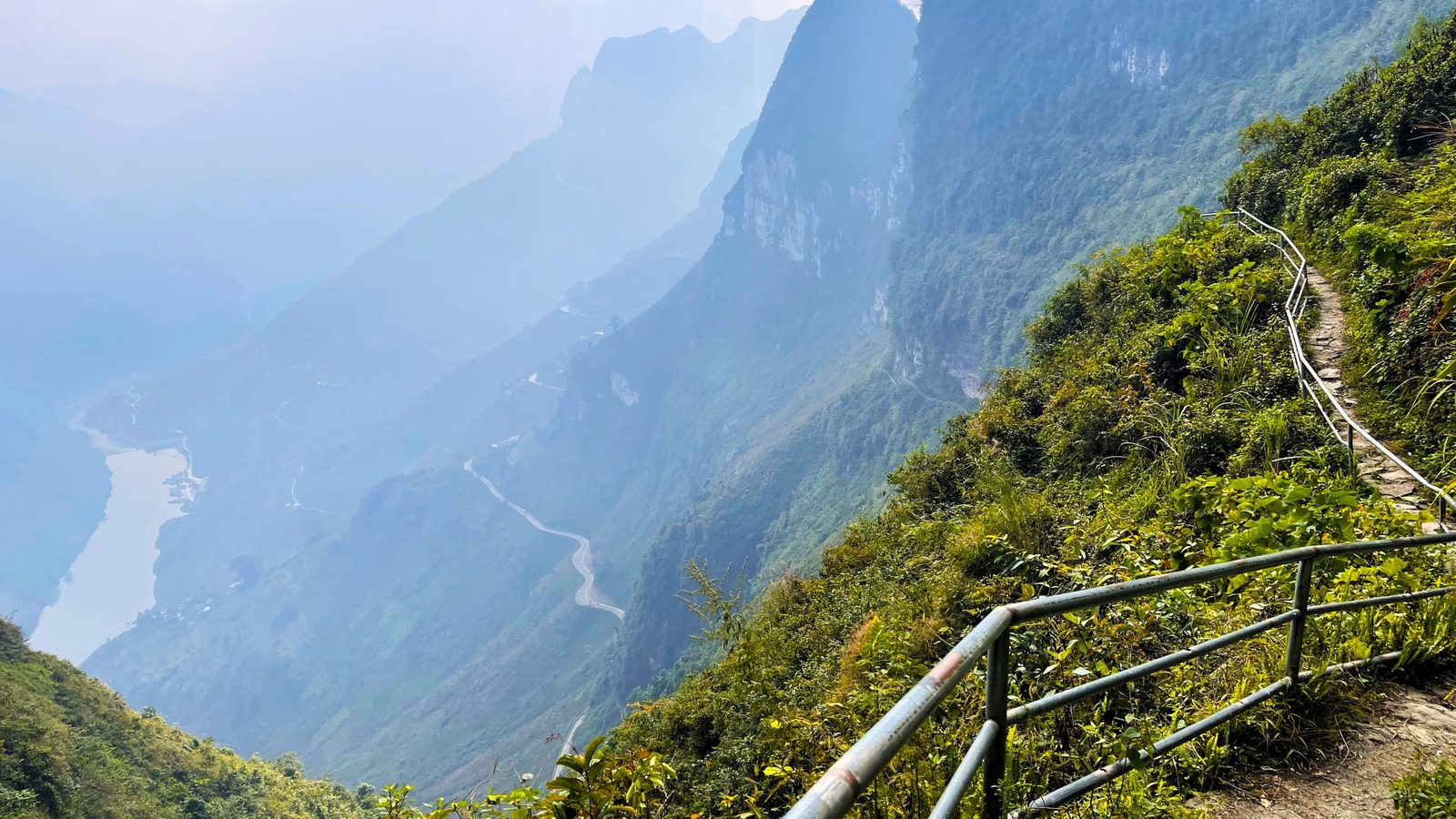
- Ma Pi Leng Pass viewpoints and the Sky Path: the cliff road above the Nho Que gorge is the Loop’s postcard, and the roadside lookouts get busy around midday. Our Ha Giang Loop photo spots guide covers the best light at each one.
- Nho Que River boat pier: the boat through the Tu San Canyon is one of the highlights, and the pier is where Ha Giang Loop crowds bottleneck in the middle of the day, when everyone arrives from Ma Pi Leng at once.
- Dong Van Old Quarter at night: most groups sleep in Dong Van, so the stone quarter is lively after dark, especially on Saturday nights before the Sunday market. Lively is the point for some travellers; see our Dong Van night market guide.
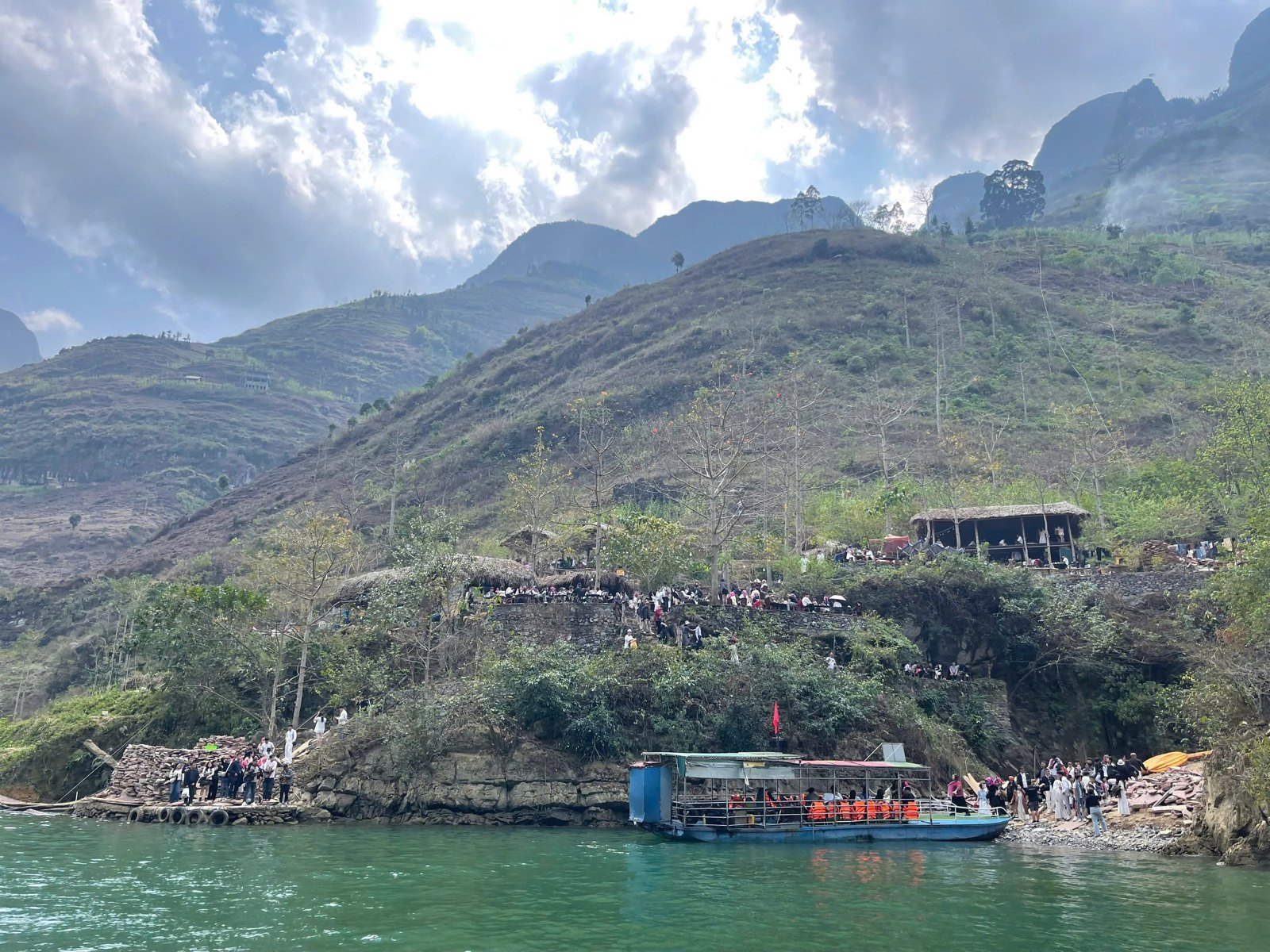
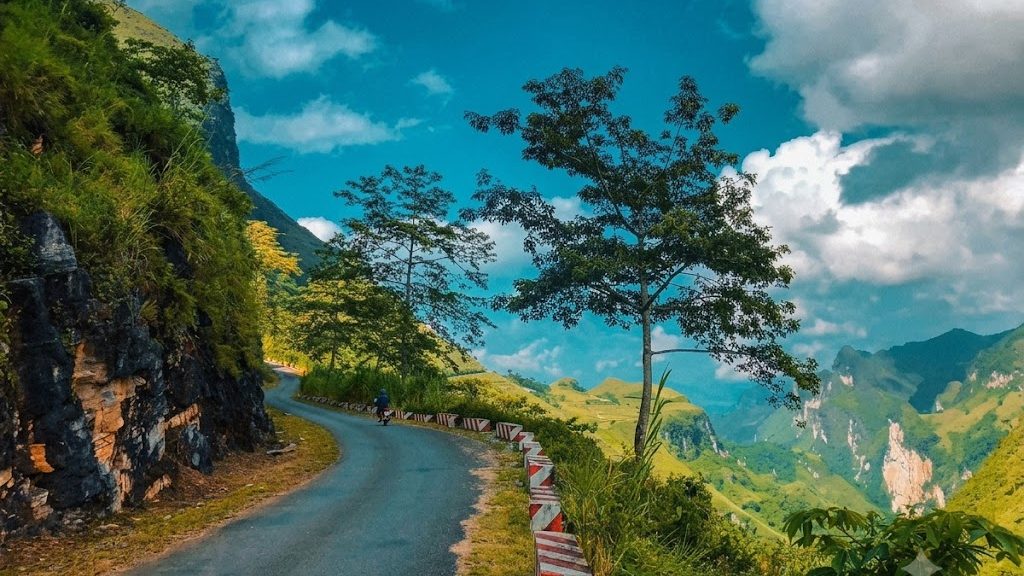
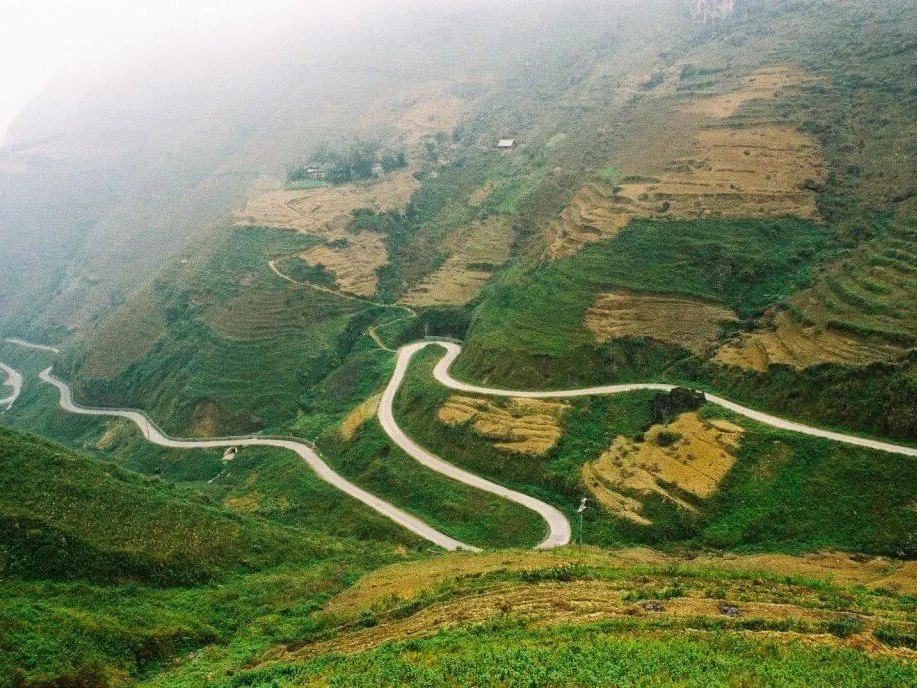
Notice the pattern: the busy places are famous viewpoints you can reach by coach, and the busy hours are the middle of the day. Between those stops, on the long stretches of road through the valleys, Ha Giang Loop crowds simply are not a thing.
When are Ha Giang Loop crowds at their worst?
Because 70% of visitors are Vietnamese, the calendar that matters is the Vietnamese one. Here is how Ha Giang Loop crowds change through the year, seen from our side of the road:
| Period | How busy | What drives it |
|---|---|---|
| Tet and the weeks after (2027: Tet falls on 6 February) | Very busy | Holiday travel, spring festivals, peach and plum blossom |
| 30 April to 1 May | Very busy | Long national holiday weekend |
| Weekends all year | Busy at the famous stops | Domestic road trips from Hanoi and nearby provinces |
| July to August | Moderate | Rainy season; about 1,000 visitors a day at Lung Cu in Q3 |
| 2 September (National Day) | Very busy | Long holiday weekend and golden rice |
| Late October to November | Busy, peaking in early November | Buckwheat flowers and the Buckwheat Flower Festival |
| December to mid-January | Quiet | Cold, clear weather and no big holidays |
For the detail of each season, see the Ha Giang weather by month guide, the Ha Giang Loop during Tet, our Ha Giang buckwheat flower festival guide and the Ha Giang Loop in December, our pick for the quietest month. Right now, in October, there is no national holiday, so the Ha Giang Loop crowds are mostly a weekend story until the flowers peak.
How can you avoid the Ha Giang Loop crowds?
You cannot have Lung Cu to yourself on a Saturday in November, but you can make the Ha Giang Loop crowds a small part of your trip. These are the tactics that work:
- Ride midweek. Start on a Sunday or Monday so your Dong Van night and your Lung Cu morning fall between Tuesday and Thursday, when Ha Giang Loop crowds are thinnest.
- Steer clear of the national holidays. Check your dates against Tet, 30 April to 1 May and 2 September before you book a bus; these bring the biggest Ha Giang Loop crowds of the year.
- Shift the famous stops away from midday. Ha Giang Loop crowds at the viewpoints peak from late morning to early afternoon. Early light at Ma Pi Leng is also the best light.
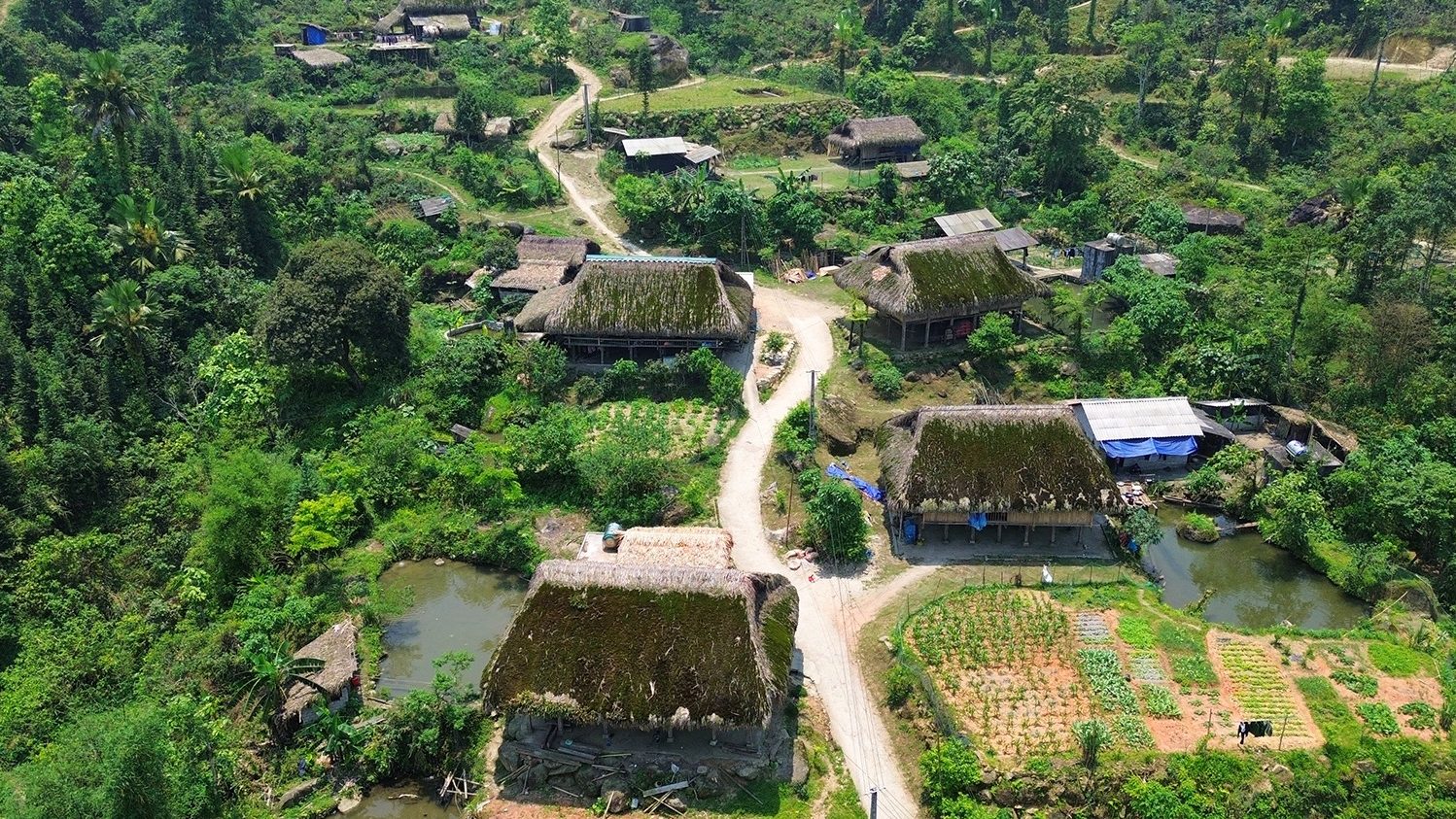
- Sleep outside the busy towns. A village homestay instead of central Dong Van gives you a quiet evening and a different view of the plateau. Read what a Ha Giang Loop homestay night is really like.
- Take the back roads. The road south from Meo Vac to Du Gia is the least travelled stretch of the classic Loop, and it ends at a waterfall you can swim in. See our Du Gia Waterfall guide.
- Add a day. A 4-day loop spreads the big stops out and gives you a quiet valley day. Our guide to how many days you need for the Ha Giang Loop compares the options.
- Go west instead of north. The rice-terrace villages of Hoang Su Phi see a fraction of the plateau’s traffic. Start with our Hoang Su Phi homestay guide.
- Go private. A private tour sets its own start time and stops, which is the easiest way to dodge the waves. We compare both styles in private tour vs group tour.
Which Ha Giang Loop routes are quieter?
Every route we sell still visits the famous stops, because they are famous for good reasons. The difference is where you sleep and what you do between them. These are our best routes for avoiding Ha Giang Loop crowds, with current prices (all include 8% VAT and the border-area permit where one is needed):
| Route | Why it is quieter | Price per person |
|---|---|---|
| White Cliff & Sky Path, 3 days | First night in Lao Sa village instead of Dong Van town; White Cliff trek; bamboo raft on the Ngoc Long stream; Duong Thuong valley on the way home | Ride by yourself 4,890,000 VND · Easy Rider 5,250,000 VND · Private car 6,850,000 VND |
| Du Gia Waterfall, 4 days | Day 3 takes the back road south to Du Gia, the least ridden stretch of the Loop | Bring your own bike 3,650,000 VND · Ride by yourself 4,150,000 VND · Easy Rider 5,550,000 VND |
| Ha Giang Village Trek, 4 days | No vehicle at all: about 47 km on foot through Dao villages and the Xa Phin rice terraces; no border permit needed | Private trek 7,979,000 VND |
| Private Trail, 2 days | Your own guide and timing, so you can move the big stops away from the busy hours | Easy Rider 3,490,000 VND · Private car 4,450,000 VND |
A deposit of 500,000 VND per guest holds a tour place; the rest is paid before departure. Full terms are on our booking and refund policy page.
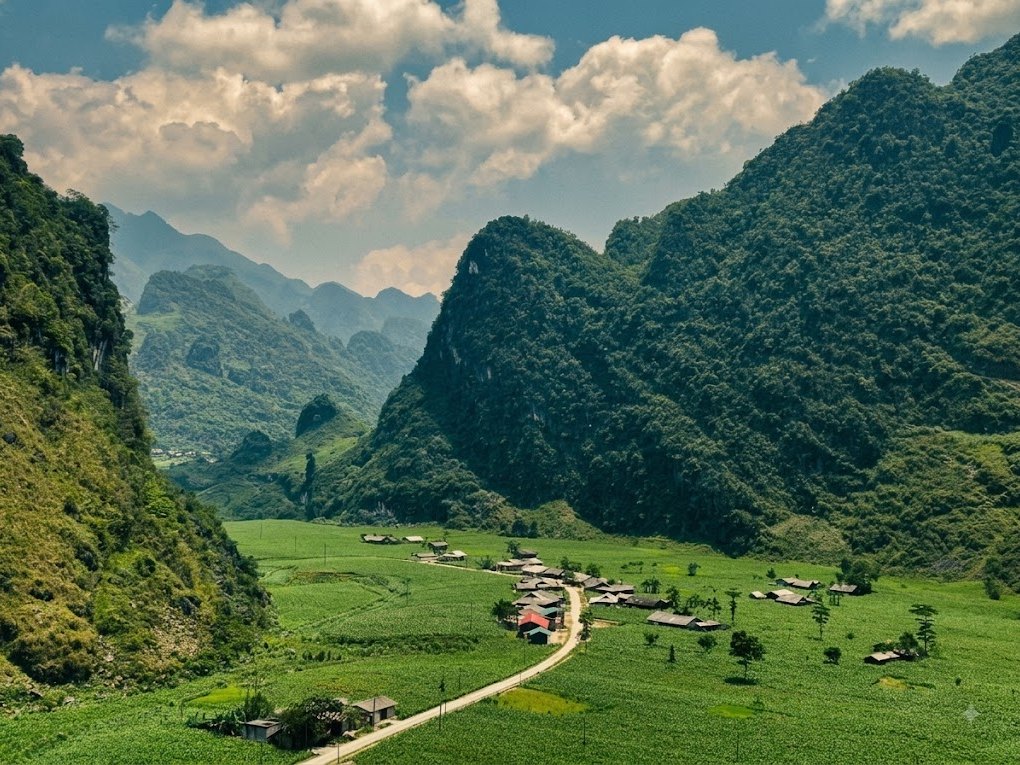
The trek is the most radical answer to the Ha Giang Loop crowds: you walk out of Ali Hostel’s door and spend four days on village paths, sleeping with Dao families in Khuoi My and in Xa Phin village, then a night at Ha Giang Ecolodge. On the way you pass the ancient tea trees of Lung Vai, the same tea belt we describe in our Ha Giang tea guide.
Is the Ha Giang Loop still worth it if it is busy?
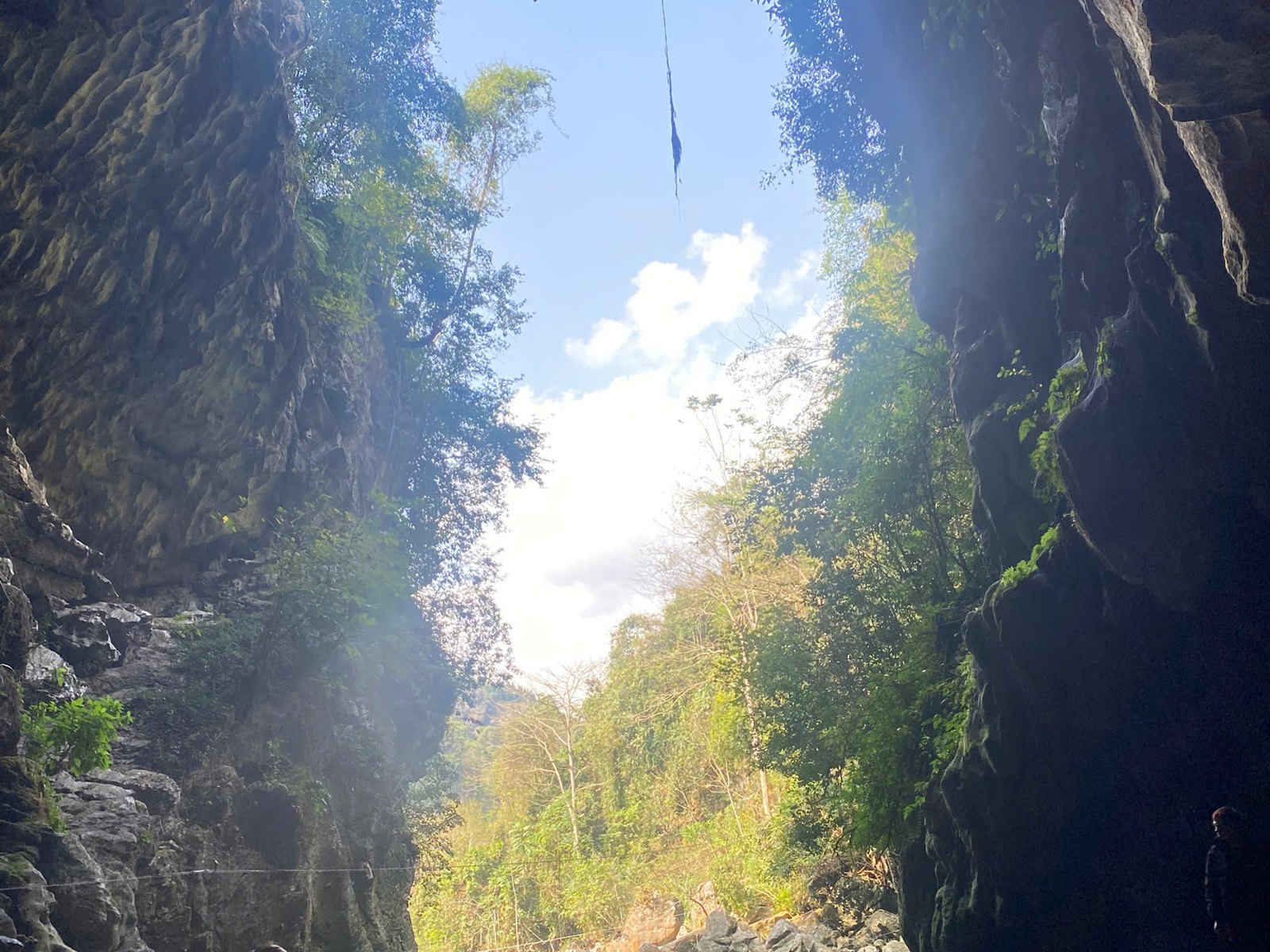
Yes, and we would say that even if we did not live here. The Ha Giang Loop crowds are concentrated: a few viewpoints, a few hours, a few dates. The mountains, the minority villages, the markets and the homestay dinners are the same as they were before the Loop became famous, and they make up most of your time on the road.
It also helps to compare honestly. Sapa is a resort town where the crowds are part of daily life, while Ha Giang’s busy spots are roadside stops you pass through. We set out the trade-offs in Ha Giang vs Sapa. If avoiding Ha Giang Loop crowds is your top priority, choose December or a midweek trip in October, add a fourth day, and sleep in villages rather than towns.
Ha Giang Loop crowds: FAQ
Is the Ha Giang Loop too touristy?
Only in places. The famous viewpoints, Lung Cu and the Nho Que boat pier get busy at midday, on weekends and on Vietnamese holidays. The villages, back roads and homestays in between still feel local, especially on quieter routes and in quieter months.
How many tourists visit Ha Giang?
There is no single count for the whole Loop, but the Lung Cu Flag Tower, which most itineraries visit, received 93,704 visitors in the third quarter of 2026, of whom 26,621 were international. That averages about 1,000 visitors a day, mostly Vietnamese.
What is the least crowded time to do the Ha Giang Loop?
Ha Giang Loop crowds are thinnest from December to mid-January, followed by midweek days in October before the buckwheat peak. The busiest times are Tet, the 30 April to 1 May holiday, 2 September and early November.
Are Ha Giang Loop crowds worse on weekends?
Yes. Seven in ten visitors at Lung Cu are Vietnamese, and many come on weekend road trips, so the famous stops are noticeably busier on Saturdays and Sundays. Starting your loop on a Sunday or Monday helps.
Which Ha Giang Loop tour avoids the crowds best?
For a motorbike loop, the White Cliff & Sky Path or the Du Gia Waterfall route. To leave the road behind entirely, the 4-day Village Trek uses no vehicle and needs no border permit.
Plan a quieter Ha Giang Loop with Ali Travel
Tell us your dates and we will tell you honestly how busy they will be, and which route and start day keep the Ha Giang Loop crowds to a minimum. Our tours start and end at Ali Hostel in Ha Giang city, and we can book your bus from Hanoi at the operator fare.
WhatsApp / Zalo: (+84) 787 652 333 · Email: info@hagiangalitravel.com · Web: hagiangalitravel.com
See more: Ha Giang Loop in October · What the Ha Giang Loop really costs · Is the Ha Giang Loop safe?