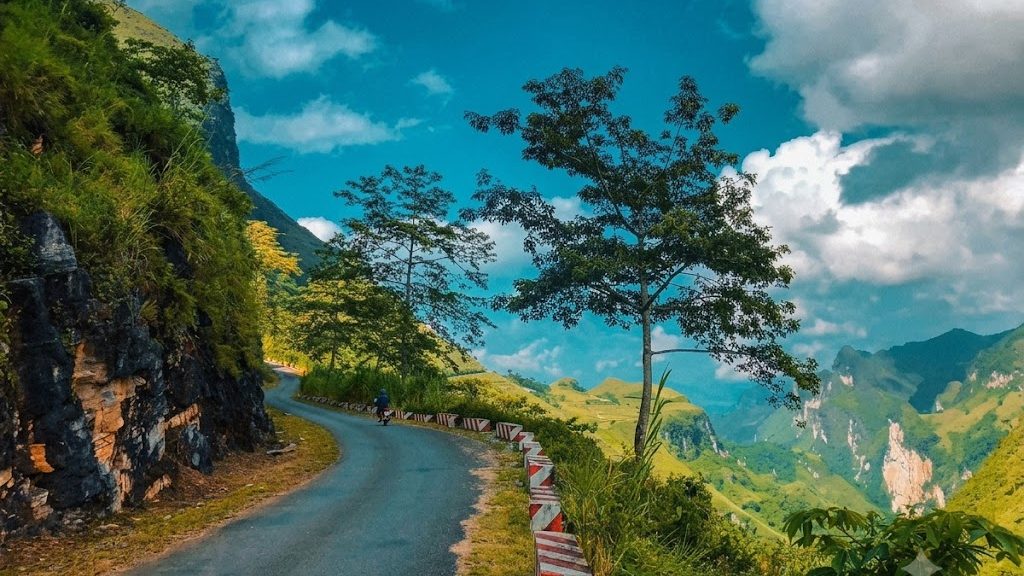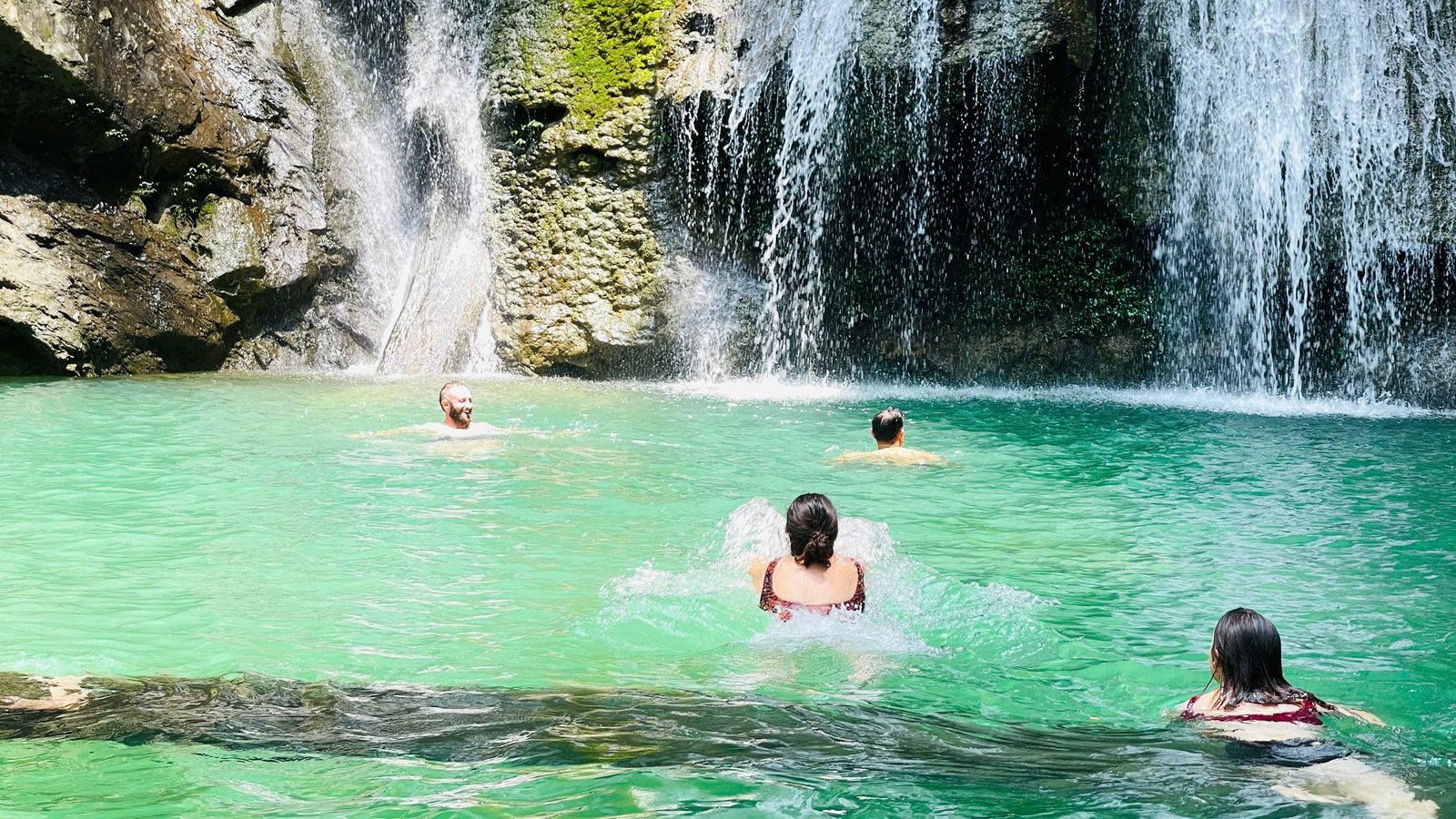
Du Gia Waterfall is a forest cascade with a clear natural swimming pool beside Du Gia, a quiet Tay village in a green valley south of the main Ha Giang Loop. It is a short, easy walk from the village, there is no entrance fee at the time of writing, and the pool is at its fullest from June to August. Most travelers reach it on day 3 of a 4-day loop, ride in from Meo Vac, swim in the afternoon and sleep in a stilt-house homestay.
We are a local team based in Ha Giang City, and Du Gia is the overnight stop on two of our 4-day routes. This guide covers everything we tell our own guests before they go: how to get to Du Gia Waterfall, when the water is best, how to swim safely, where to sleep and what else to do in the valley.
What Is Du Gia Waterfall?
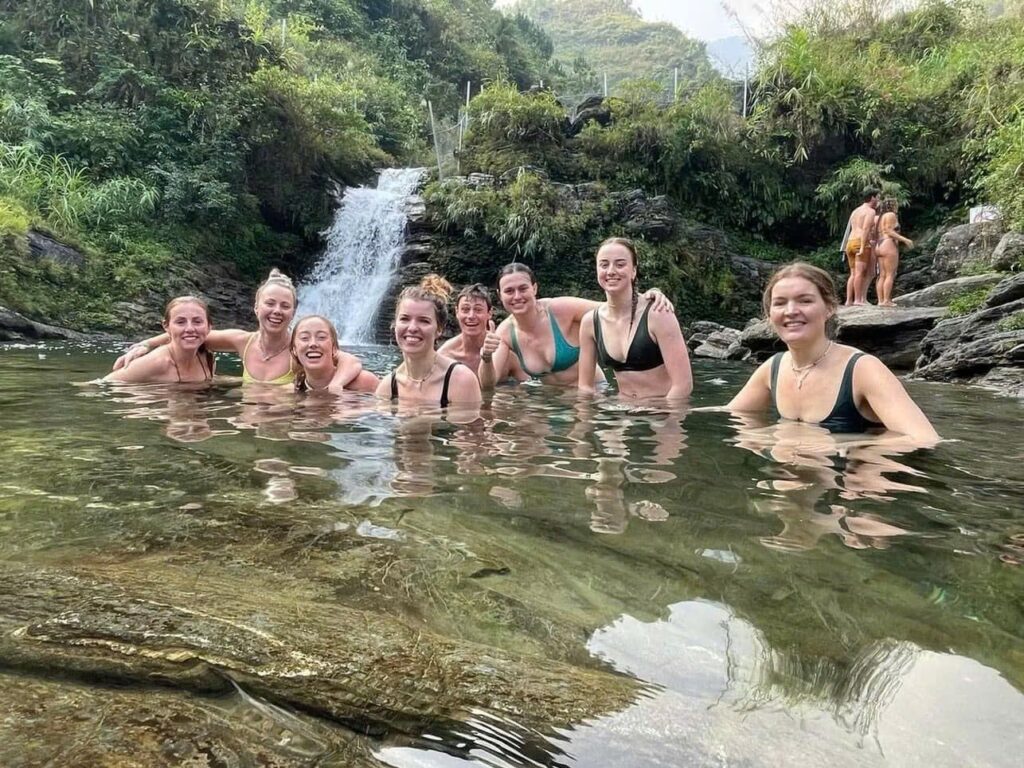
Du Gia Waterfall is not a giant, thundering wall of water like Ban Gioc in Cao Bang. It is something many riders enjoy more after a long day on the bike: a series of small drops through the forest that ends in a clear, cool pool you can actually swim in. Rocks around the edge make natural seats, trees shade most of the water, and on a weekday you may share it with only a few local children and a handful of travelers.
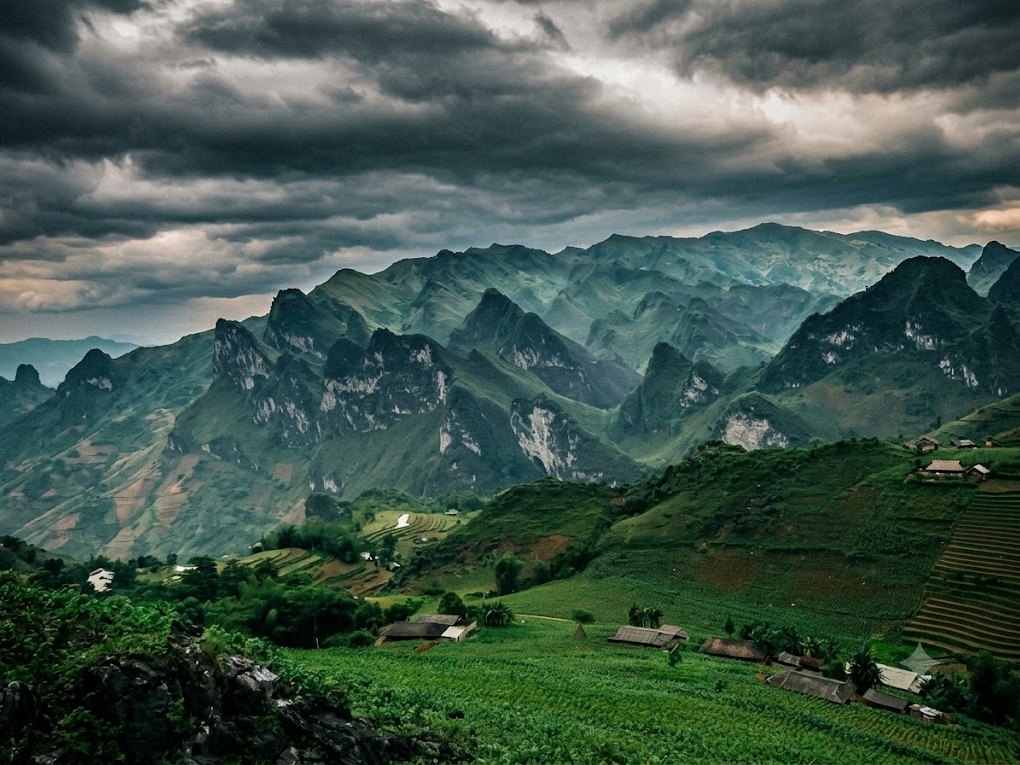
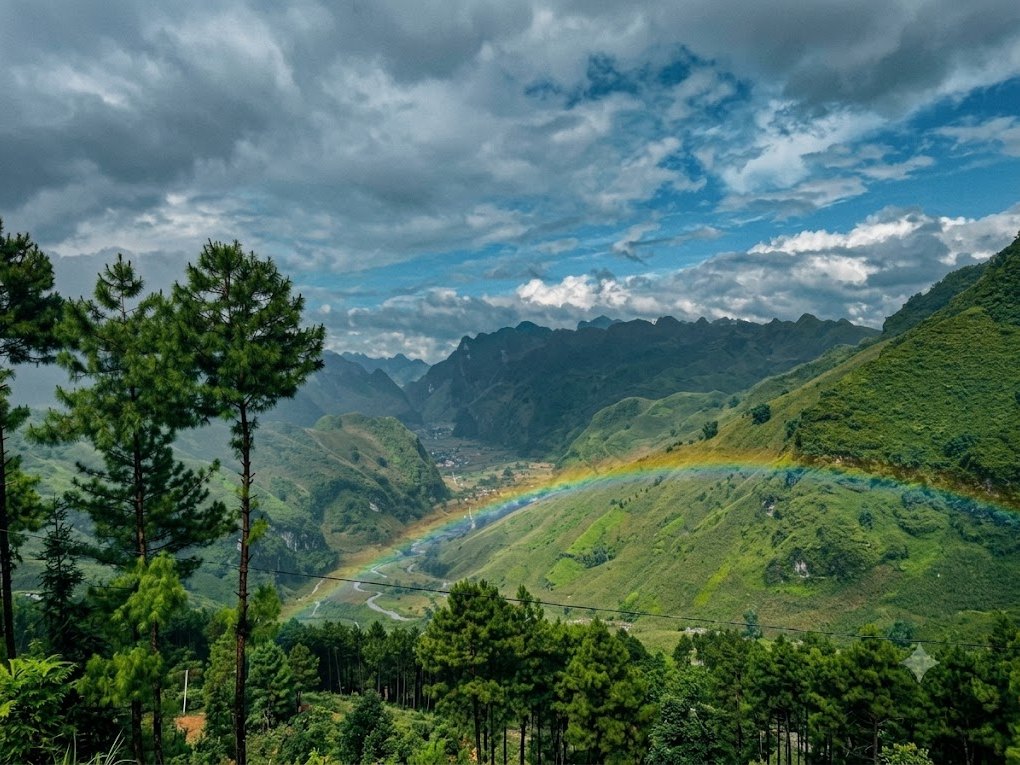
The waterfall sits right next to Du Gia village, in the Yen Minh area of Ha Giang (now part of Tuyen Quang province after the 2025 merger). The village and the hamlets around it, such as Coc Pang, are mainly home to the Tay people, who build wooden stilt houses and farm rice on the valley floor. The whole area lies inside the Dong Van Karst Plateau UNESCO Global Geopark, which is why the valley is framed by such sharp limestone peaks.
Where Is Du Gia and How Do You Get There?
Du Gia is in the southern part of the Loop, away from the classic north road through Dong Van. Travelers usually get to Du Gia Waterfall in one of two ways:
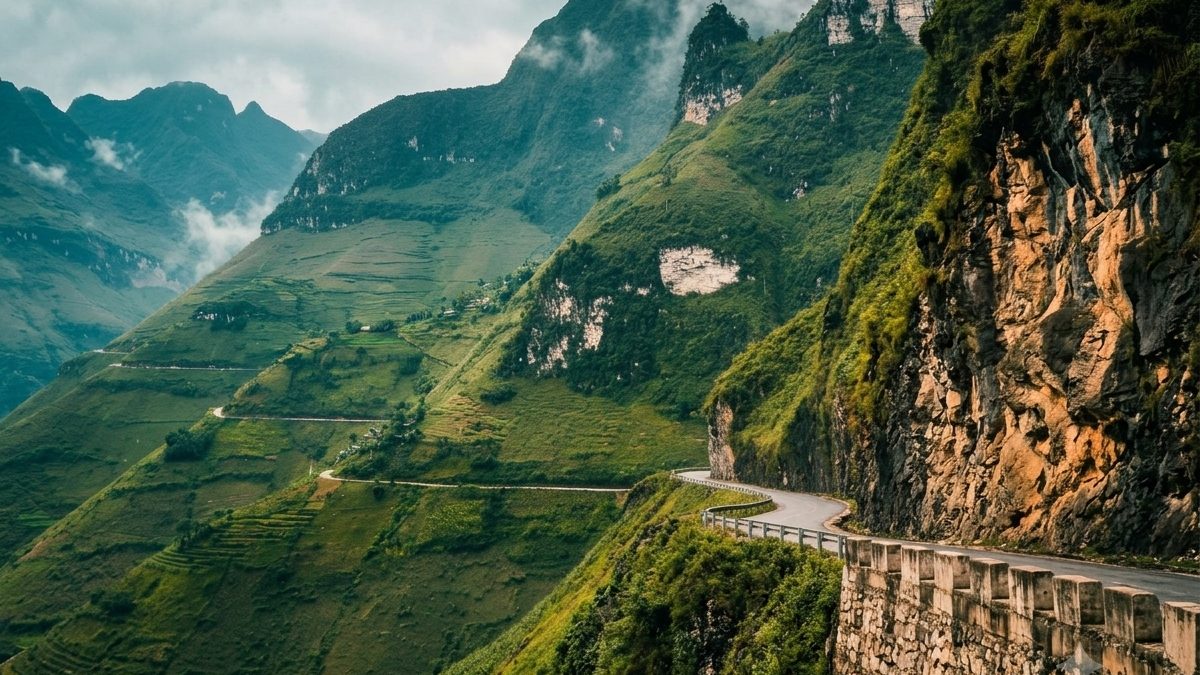
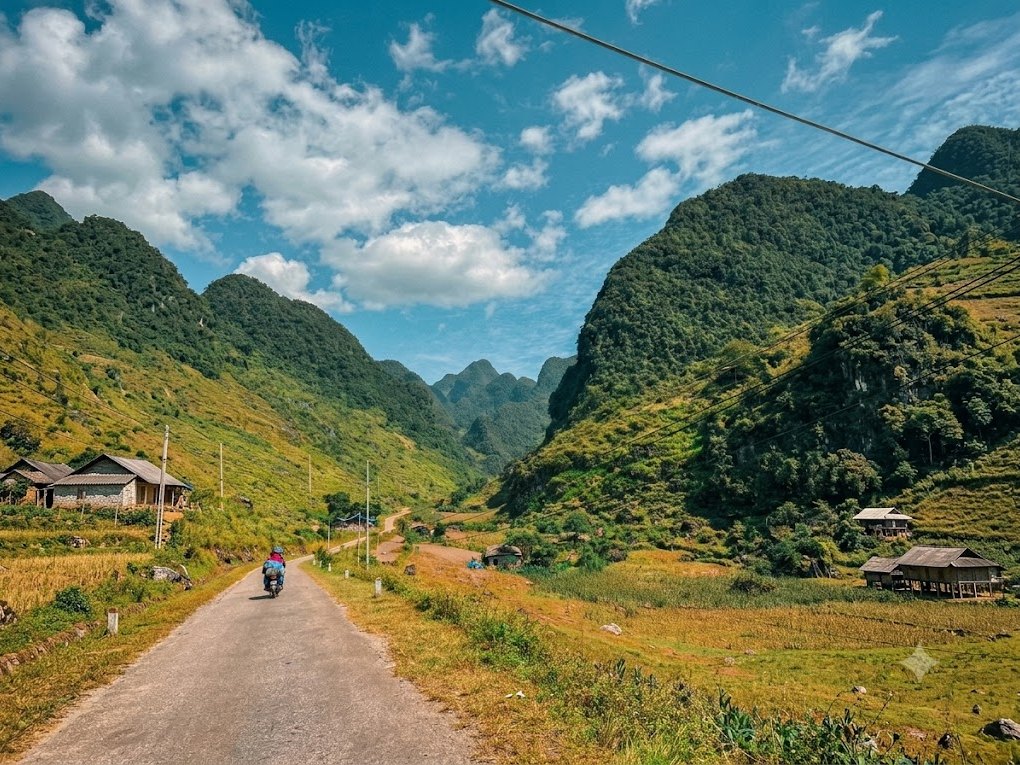
- From Meo Vac (most common): after Ma Pi Leng Pass, ride south on a quiet back road through Mau Due and green valleys. On our tours this day covers roughly 70–90 km and is one of the least-travelled, most scenic stretches of the region.
- Back to Ha Giang City: the next morning, ride out of the valley toward Ha Giang, about 110 km. Our Classic route goes via the terraced Duong Thuong Valley and Quan Ba.
Because Du Gia sits between Meo Vac and Ha Giang, it fits naturally into a Ha Giang Loop itinerary of four days or more. In three days you will have to skip it; see our guide on how many days the Ha Giang Loop needs if you are still deciding.
The roads into the valley are paved but narrow, steep in places and full of bends. Expect trucks and buffalo on blind corners, and loose gravel after rain. Plan to arrive in daylight.
When Is the Best Time to Visit Du Gia Waterfall?
The honest answer is that every season changes Du Gia Waterfall a little:
- June to August: the most water and the best swimming. This is also the rainy season, so the pool can turn cloudy after a storm and the roads need more care.
- September to October: the rice in the valley turns gold and the water is still pleasant on a sunny afternoon. Read more in our Ha Giang rice season guide.
- November to March: the flow drops and the water is cold. The waterfall is calm and pretty, but only brave swimmers go in. Around late winter and early spring, red kapok trees flower along the road to Du Gia.
- April to May: warming up, green fields, fewer crowds. A good compromise if you want to swim without the peak rain.
For month-by-month detail across the whole province, check our Ha Giang weather by month guide. The best time of day is mid-afternoon, when the sun reaches the pool and you have just finished riding.

Can You Swim at Du Gia Waterfall? Safety Tips
Yes, swimming at Du Gia Waterfall is the main reason people come. The pool is natural, so treat it like a river, not a hotel pool. These are the rules our guides give every group:
- Do not jump or dive from the rocks. The depth changes with the season and you cannot see what is under the surface.
- Watch your footing. The rocks around the pool are slippery. Water shoes or sandals with grip help a lot.
- Skip the swim after heavy rain. The current gets stronger and the water turns muddy.
- No alcohol before swimming or riding. Keep the rice wine for dinner at the homestay.
- Dress respectfully in the village. Swimwear is fine at the waterfall; put a T-shirt or sarong on when you walk back through Du Gia.
- Take your rubbish with you. This is a village water source and a place families use every day.
For the bigger picture on staying safe on the road, read is the Ha Giang Loop safe.
Where to Stay Near Du Gia Waterfall
There are no big hotels in Du Gia, and that is the charm. You sleep in a family homestay, most of them wooden stilt houses with a shared dorm upstairs, and a growing number with private rooms. Dinner is usually cooked by the host family with vegetables from their garden, eaten together around one big table.
From our experience, the Du Gia night is often the most social night of the whole trip: guests from different groups end up at the same fire, sharing stories from Ma Pi Leng and Lung Cu. If you prefer quiet, ask for a private room.
For more options along the route, see our list of the best Ha Giang Loop homestays.
What Else to Do Around Du Gia Village
Du Gia Waterfall takes an hour or two. Give yourself time for the valley as well:
- Cycle or walk through the Tay hamlets and the rice terraces around the village. Ask your homestay about borrowing a bicycle.
- Visit the local market. Du Gia has its own weekly market where families from the surrounding villages trade; our Du Gia market guide explains what to expect.
- Raft the Ngoc Long stream. On our Classic route, the ride from Meo Vac includes a short bamboo-raft trip on the Ngoc Long stream before Mau Due.
- Ride out through Duong Thuong Valley. The next morning, the road back toward Ha Giang passes one of the prettiest terraced valleys in the region.

What to Bring to Du Gia Waterfall
- Swimwear and a quick-dry towel – the one thing guests always forget.
- Water shoes or grippy sandals for the rocks.
- A dry bag for your phone and passport.
- Cash in small notes for drinks, snacks and the market. There are few card machines in the valley.
- A warm layer for the evening, even in summer.
Our full Ha Giang Loop packing list covers the rest.
Visiting Du Gia Waterfall on a Tour or on Your Own
You can reach Du Gia Waterfall independently if you are a confident rider with a valid licence; we offer motorbike rental in Ha Giang. Remember that you also need the Ha Giang border permit for the northern part of the Loop.
If you would rather not handle the roads, permits and homestay bookings, two of our 4-day tours stop overnight in Du Gia:
- Du Gia Waterfall, 4 days – our backpacker-style small-group loop with homestay dorms. From 3,650,000 VND (about $140) if you bring your own bike, 4,150,000 VND (about $160) riding yourself, or 5,550,000 VND (about $213) with an Easy Rider.
- Du Gia Valley, 4 days (Classic) – private en-suite rooms, the Sky Path, the Ngoc Long raft and Duong Thuong Valley. From 6,450,000 VND (about $248) riding yourself, 6,950,000 VND (about $267) with an Easy Rider, or 8,890,000 VND (about $342) by private car.
Both prices already include the border-area permit, homestays and meals listed on the tour page.
FAQ: Du Gia Waterfall
Is there an entrance fee for Du Gia Waterfall?
At the time of writing, there is no entrance fee for Du Gia Waterfall. Local rules can change, so bring a little cash just in case.
How long should I spend at Du Gia Waterfall?
One to two hours is enough for a swim and photos. Stay the night in Du Gia village so you are not rushing back on mountain roads in the dark.
Is Du Gia Waterfall worth the detour?
If you have four days or more, yes. The ride from Meo Vac is quiet and beautiful, the swim is a real reward after days on the bike, and the homestay night gives you time with a Tay family. With only three days, focus on the northern loop instead.
Can children or non-swimmers visit Du Gia Waterfall?
Yes. The walk is short and easy, and the shallow edges are fine for paddling. Keep children close, as the rocks are slippery and the middle of the pool is deeper.
Is Du Gia Waterfall on the main Ha Giang Loop?
Not on the classic 3-day route through Dong Van. Du Gia is on the southern return road between Meo Vac and Ha Giang City, which is why it usually appears in 4-day itineraries.
Plan Your Swim at Du Gia Waterfall
Du Gia Waterfall is the slow, cool, friendly end to a Ha Giang Loop: a pool in the forest, a stilt house for the night and a valley ride home. Tell us your dates and whether you want to ride yourself or with an Easy Rider, and we will suggest the right route.
📱 WhatsApp / Zalo: (+84) 787 652 333 | 📧 info@hagiangalitravel.com | 🌐 hagiangalitravel.com
See more: