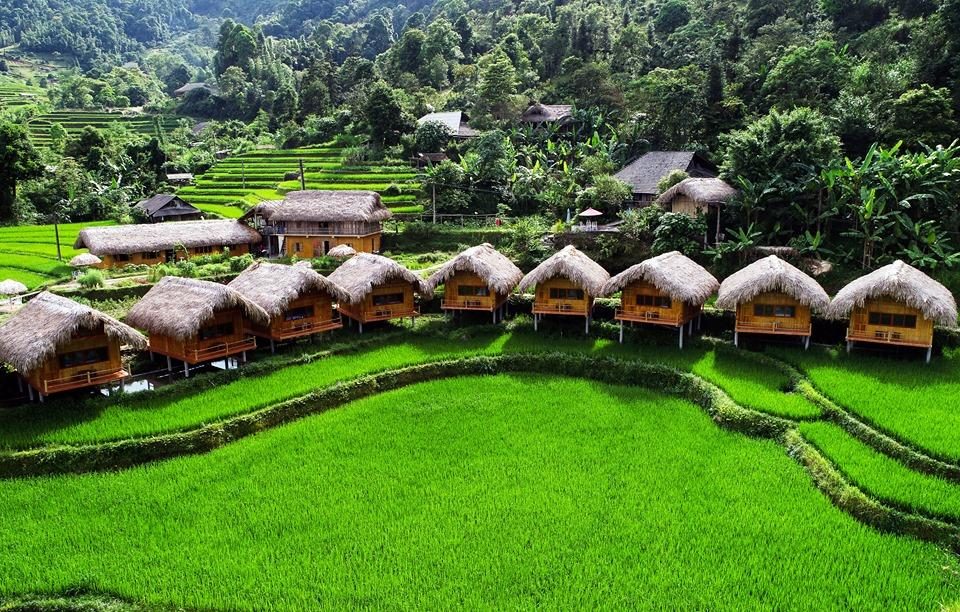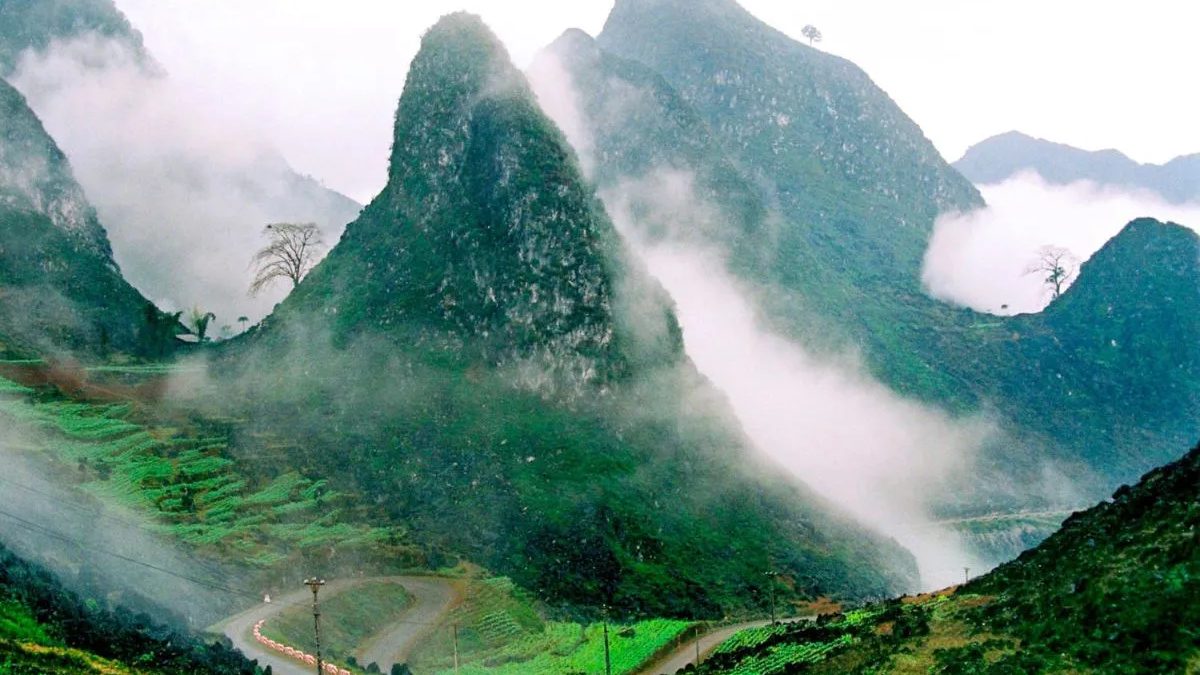
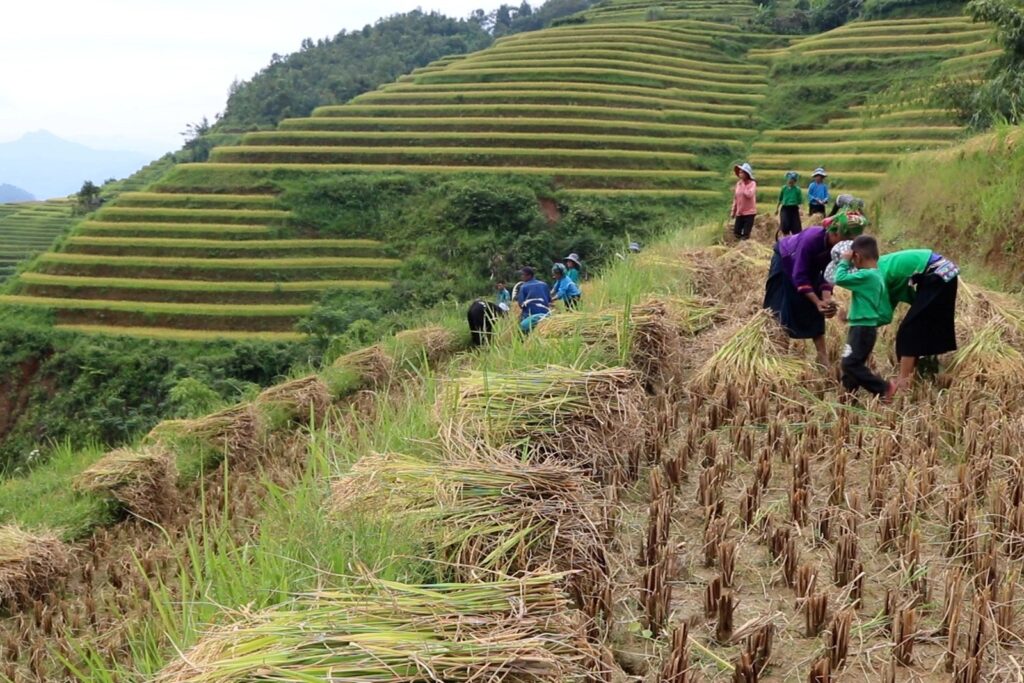
A Hoang Su Phi homestay is a family-run guesthouse tucked into the terraced-rice-field highlands of western Ha Giang (now part of Tuyen Quang province), where you sleep in a traditional Dao, Tay or Mong home, eat what the family cooks, and wake up to some of the most dramatic mountain scenery in Vietnam. If the classic Loop is about the road, a Hoang Su Phi homestay is about slowing down: watching the rice ripen, joining a weaving lesson, and soaking in a natural hot spring after a long walk. The best time to go is the golden harvest from mid-September to mid-October, when the whole valley turns amber.
At Ali Travel we point guests west to Hoang Su Phi when they want quieter roads, real village life, and rice terraces the main Loop simply doesn’t have. This 2026 guide covers where to stay, when to visit, what a night in a village home actually feels like, and how to add it to your Ha Giang Loop itinerary.
Where Is Hoang Su Phi — and Why Stay Overnight?
Hoang Su Phi sits in the far west of the old Ha Giang province, about 110 km from Ha Giang City on winding mountain roads. It is famous for its terraced rice fields, recognised as a National Landscape, that climb the slopes in giant staircases carved by the Dao, Tay, Nung and La Chi people over centuries. Unlike the eastern Loop (Dong Van, Meo Vac, Ma Pi Leng Pass), Hoang Su Phi is greener, gentler and far less crowded.
Staying overnight is the whole point. Day-trippers only see the fields from the road; guests at a Hoang Su Phi homestay see the light change at dawn and dusk, share a meal cooked over a wood fire, and hear the valley go quiet after dark. It is the difference between photographing a place and actually living in it for a night.

When Is the Best Time for a Hoang Su Phi Homestay?
Hoang Su Phi has two spectacular seasons, and both are worth planning a homestay around:
- Golden harvest (mid-September to mid-October): the terraces turn bright gold as the rice ripens. This is the single most beautiful — and most popular — window, so book your Hoang Su Phi homestay well ahead.
- Water season (May to June): farmers flood the fields to plant, and the terraces become giant mirrors reflecting the sky. Fewer travellers, magical light.
- The rest of the year: spring brings green shoots, winter can be misty and cold. It is still beautiful, just without the signature gold or silver terraces.
For a month-by-month view of temperatures and rainfall, see our Ha Giang weather by month guide before you lock in dates.
Nam Hong: The Heart of Community Homestays in Hoang Su Phi
If you only have one night, spend it in Nam Hong, a Red Dao hamlet in Thong Nguyen commune that was recognised as a model community-tourism village in 2022. Families here have turned their traditional stilt and earthen houses into homestays without losing their character — you still sleep under a wooden roof, eat local food, and are guided through village life by the people who live it.
Nam Hong is also where you’ll find Pan Hou, an eco-lodge recognised among Asia’s leading green stays for anyone who wants a Hoang Su Phi homestay experience with a few more creature comforts. Whether you choose a simple family room or a bungalow, the setting — surrounded by terraces, forest and streams — is the same.
According to local authorities reported by Bao Tuyen Quang, the Thong Nguyen area welcomed around 15,000 visitors in 2025, a growing share of them international — proof that this quiet corner is finally getting the attention it deserves, while still feeling like a discovery.

What to Expect at a Hoang Su Phi Homestay
A typical Hoang Su Phi homestay is simple, warm and honest — not a hotel. Here is what a night usually looks like:
- Rooms: a bed or mattress with a thick blanket in a shared communal loft or a small private room. Bathrooms are usually shared and hot showers are common but basic.
- Food: home-cooked family meals — free-range chicken, foraged greens, bamboo-shoot soup, sticky rice and, if you’re lucky, a shot of corn wine with the host.
- Atmosphere: you eat together, you talk (often through smiles and gestures), and the day ends early. This is the real draw of a Hoang Su Phi homestay.
Rates change year to year, so confirm the price and what’s included directly when you book. As a rule, village homestays are excellent value and a fraction of a hotel — but bring cash, as card machines are rare in the hills. If you’d rather compare options along the whole route first, our guide to the best Ha Giang Loop accommodation is a good starting point.
Cultural Experiences Around Your Homestay
The magic of Hoang Su Phi is that the culture isn’t staged — it’s daily life. From your homestay you can join or watch:
- Brocade weaving and dó paper-making: Red Dao and Tay women still weave and dye by hand; many homestays offer a hands-on lesson.
- The fire dance (nhay lua): a striking Dao and Pa Then ritual where young men dance barefoot over glowing embers, usually tied to festivals.
- Shan tuyet tea: Hoang Su Phi is home to ancient tea trees; the Phin Ho and Minh Quang cooperatives produce prize-winning tea you can taste and buy.
- Natural hot springs: soak tired legs in a mineral spring after a day on the terraces.
This depth of tradition is exactly why so many travellers fall for the region — as we explain in our piece on Ha Giang’s indigenous cultural diversity. Time your stay with the weekly Hoang Su Phi Market for an extra dose of colour.
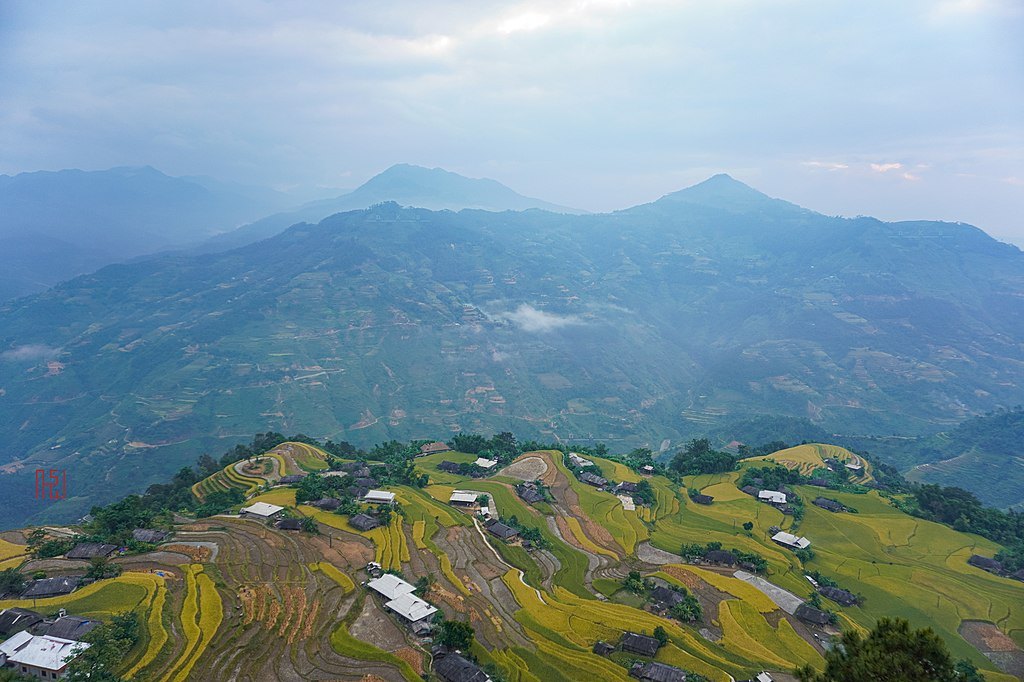
How to Get to Hoang Su Phi
Reaching a Hoang Su Phi homestay takes a little effort — which is exactly why it stays uncrowded:
- From Ha Giang City: around 110 km (3.5–4 hours) on scenic but bendy mountain roads through Tan Quang and Vinh Hao.
- From Hanoi: take a night bus or transfer to Ha Giang City first, then continue west. Give yourself a full day for the journey.
- Getting around: the roads are steadily improving, but some village lanes are steep dirt tracks. Local drivers run motorbike-taxi teams for guests who don’t ride.
Confident riders can reach Hoang Su Phi on a rented bike — see our motorbike rental in Ha Giang guide — while everyone else can join a private car or an easy-rider driver from Ali Travel.

How to Add Hoang Su Phi to Your Ha Giang Loop
Hoang Su Phi sits on the opposite side of the province from the classic eastern Loop, so it works best as an add-on of one or two extra days rather than a detour squeezed into a tight schedule. A simple plan:
- Option A — before the Loop: ride west from Ha Giang City to a Hoang Su Phi homestay for a night of terraces and culture, then return and start the eastern Loop refreshed.
- Option B — a slow western week: pair Hoang Su Phi with other quiet corners of Tuyen Quang province, such as the boat trips at Na Hang Lake, for a gentler alternative to the busy loop.
For inspiration on what else to weave in, browse our top 20 destinations in Ha Giang.

Frequently Asked Questions
How much does a Hoang Su Phi homestay cost?
Village homestays are budget-friendly and usually include dinner and breakfast, but exact rates vary by season and property, so confirm directly when you book. Expect to pay in cash, and expect excellent value compared with a hotel.
Do I need to book a Hoang Su Phi homestay in advance?
Yes, especially during the golden harvest in late September and early October, when the best homestays in Nam Hong fill up fast. Outside peak season you can often arrange a stay a few days ahead.
Is Hoang Su Phi worth it if I’ve already done the Ha Giang Loop?
Absolutely. It offers a completely different landscape — sweeping rice terraces instead of limestone karst — and a slower, more cultural pace. Many repeat visitors say a Hoang Su Phi homestay is their favourite night in the north.
Do I need a permit for Hoang Su Phi?
Hoang Su Phi does not require the border-area permit needed for some northern routes, but rules change, so check locally or ask us before you travel.
Plan Your Hoang Su Phi Homestay With Ali Travel
A Hoang Su Phi homestay is the kind of night travellers remember for years — golden terraces at sunrise, tea with a Dao family, and a valley all to yourself. As a local team based in Ha Giang, we can match you with a trusted village home, arrange transport, and build Hoang Su Phi into a wider trip so everything runs smoothly.
Ready to plan? Message us on WhatsApp/Zalo at (+84) 787 652 333, email info@hagiangalitravel.com, or browse our tours at hagiangalitravel.com.
See more: