
If you are planning a trip and suddenly see your route filed under “Tuyen Quang” instead of Ha Giang, you are not imagining things. On 1 July 2025, Ha Giang province was officially merged into Tuyen Quang province as part of Vietnam’s nationwide reorganisation from 63 provinces down to 34. The short version for travellers: the name on the map changed, but the roads, passes and villages of the Ha Giang Loop did not. Everything that makes this corner of Vietnam extraordinary is exactly where it has always been.
We are a local team based right where the Loop begins, so we field this question every week from riders who booked a “Ha Giang” tour and now see “Tuyen Quang” on their permit or hotel address. Here is the honest, practical explanation — what changed, what didn’t, and what (if anything) you need to do differently in 2026.
Is Ha Giang Still a Province? The Short Answer
No — Ha Giang is no longer a separate province on paper, but yes, it is still the same place you came to ride. Here is the quick-answer version:
- What happened: Ha Giang province was merged with Tuyen Quang province, effective 1 July 2025.
- New name: the combined province is called Tuyen Quang province, with its administrative centre in Tuyen Quang city.
- Why: a national reform that reduced Vietnam from 63 to 34 provinces and centrally-run cities.
- For your trip: nothing about the Ha Giang Loop route, scenery or safety has changed — only the administrative label.
- Still called: everyone — locals, guides and travellers — still says “the Ha Giang Loop”.
What Actually Changed on 1 July 2025
In April 2025, Vietnam’s government approved a plan to streamline the country’s administration. Neighbouring provinces were combined, and the district level of government was dissolved in favour of a simpler two-tier structure: province, then commune or ward. Ha Giang was one of the provinces absorbed into a larger neighbour.
The newly-established province keeps the name Tuyen Quang, covering a combined area of roughly 13,800 square kilometres and a population of about 1.73 million people. Its political and administrative centre sits in present-day Tuyen Quang city — around 150 kilometres (a four- to five-hour drive) south of where the Loop begins. You can read the official list of the 34 new provinces and their centres on the government portal, Vietnam Government News.
A few concrete things shifted for the region formerly known as Ha Giang province:
- The old Ha Giang city became a set of wards (you will now see addresses like “Ha Giang 1 ward, Tuyen Quang province”).
- The former districts — Quan Ba, Yen Minh, Dong Van and Meo Vac, the four that make up the classic Ha Giang Loop — were reorganised into communes and wards within Tuyen Quang province.
- Official documents, tourism boards and some booking systems now file the whole area under “Tuyen Quang”.

What Did NOT Change for Ha Giang Loop Travellers
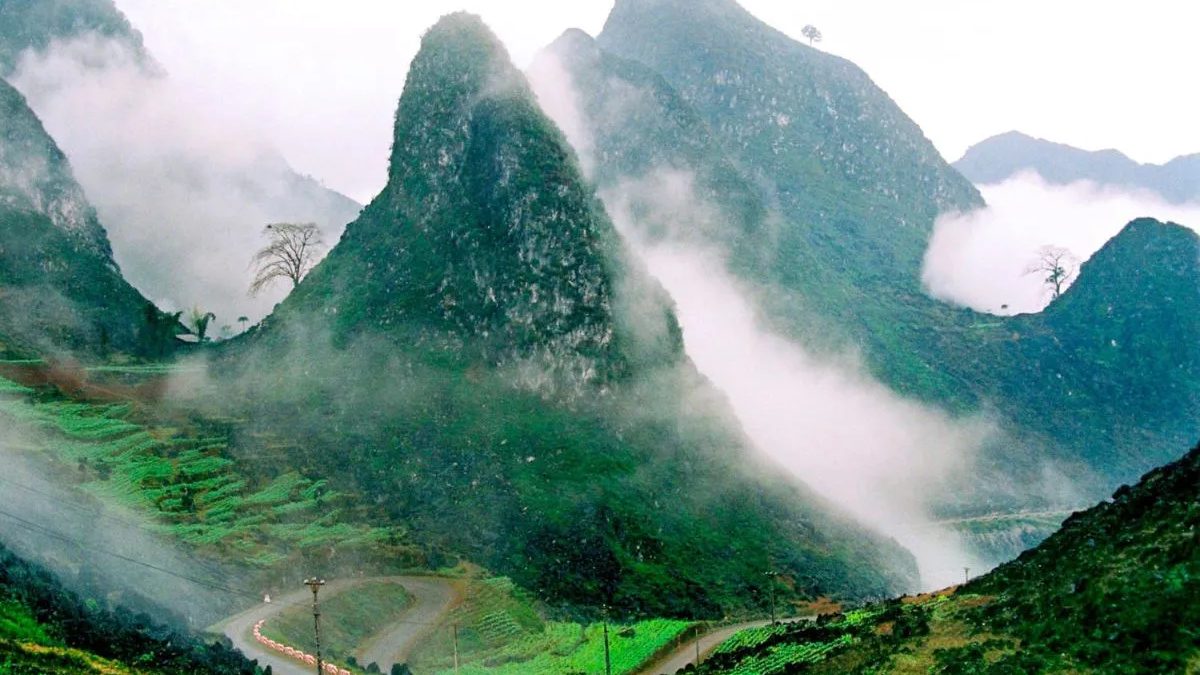
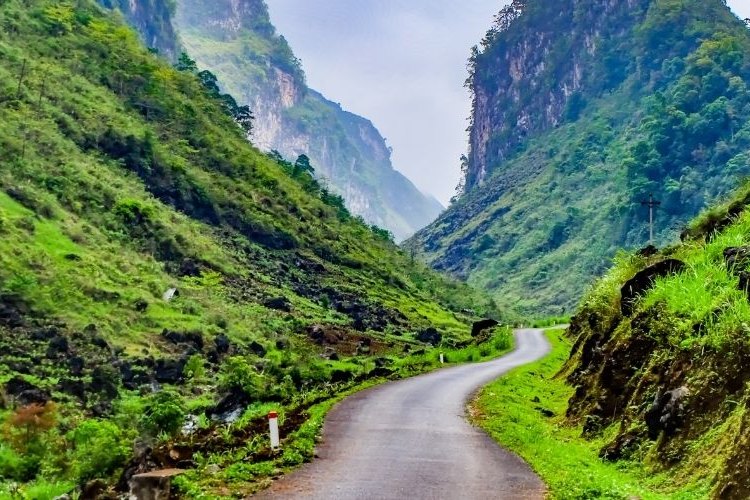
This is the part that matters most, and it is reassuring: a border on a government map is not a mountain pass. Geography does not move. Everything you came to see is still there, still spectacular, and still reached the same way along the Ha Giang Loop.
- The route is identical. The classic 3- and 4-day Ha Giang Loop itinerary — Ha Giang city, Quan Ba, Yen Minh, Dong Van, Meo Vac and back — runs on the very same roads.
- The star sights are unchanged. Ma Pi Leng Pass, the emerald Nho Que River and Tu San Canyon, and Lung Cu Flag Tower at Vietnam’s northernmost point are all where they have always been.
- The UNESCO geopark keeps its status. The Dong Van Karst Plateau UNESCO Global Geopark, recognised in 2010, remains a UNESCO Global Geopark and is still being actively protected and promoted — in August 2025 it even signed a heritage-cooperation agreement with the Phu Yen geopark to the south.
- The culture is the same. The H’Mong, Tay, Dao and Lo Lo communities, the weekly ethnic markets and the terraced valleys carry on exactly as before.

How the New Map Affects Your Ha Giang Trip
For 99% of travellers, the answer is: barely at all. But a few small, practical points are worth knowing so nothing catches you off guard.
1. You may see “Tuyen Quang” on official paperwork
Your hotel address, your Ha Giang border permit and some official forms may now read “Tuyen Quang province” instead of “Ha Giang province”. This is normal and correct — it is the same destination under its new administrative name. The border-area permit itself (needed for the frontier zones near Dong Van, Meo Vac and Lung Cu) still works exactly as before.
2. Google Maps and some booking sites are catching up
Map apps and third-party platforms update at different speeds, so you might see a mix of “Ha Giang” and “Tuyen Quang” labels for a while. When in doubt, search by the specific place name — Dong Van, Meo Vac, Ma Pi Leng, Lung Cu — which always points to the right spot.
3. Getting there is unchanged
The journey from Hanoi has not changed at all. The overnight sleeper buses and private transfers still run to Ha Giang city, the launch point of the Loop — see our guide on how to get from Hanoi to Ha Giang. Note that the new provincial capital, Tuyen Quang city, is a separate town well south of the mountains; you do not need to route through it to ride the Ha Giang Loop.

Is It Still Called the “Ha Giang Loop”?
Yes. The Ha Giang Loop is a globally recognised travel name, and neither locals nor the travel industry have any intention of dropping it. “Ha Giang” still identifies the mountains, the ride and the culture — it simply is not a province name anymore. In everyday use, and on every tour we run, it is still the Ha Giang Loop, and Ha Giang city is still where your adventure starts. If anything, keeping the name avoids confusion for the millions of travellers who already know and dream about it.
Wondering whether the region still lives up to the hype after all the paperwork? It absolutely does — and if you are weighing it against the north’s other famous region, our Ha Giang vs Sapa comparison breaks down which suits you best.
Planning Your Ha Giang Trip After the Merger
From a rider’s point of view, plan your 2026 Ha Giang Loop trip exactly as you would have a year ago. A few local tips:
- Book by the destination, not the province. Tell your operator you want the Ha Giang Loop — any reputable local team knows precisely what you mean.
- Keep your permit details handy. The border permit is still required for the frontier zones; a good tour includes it, and independent riders should still arrange it.
- Don’t second-guess the safety picture. The merger changed nothing on the road — our honest guide to how safe the Ha Giang Loop is still applies.
- Start where the Ha Giang Loop starts. Ha Giang city remains the gateway, with the same hostels, rental shops and easy-rider teams as before.
As a team based in Ha Giang (now, officially, Ha Giang ward of Tuyen Quang province), we handle the paperwork, the bikes and the guiding so a change of provincial name never becomes your problem. Browse our Ha Giang Loop tours or grab a motorbike rental and ride the exact same legendary roads.

Frequently Asked Questions
Is Ha Giang still a province in 2026?
No. Since 1 July 2025, Ha Giang has been part of the merged Tuyen Quang province. It is no longer a standalone province, but the region, its towns and its famous Loop all remain.
What is Ha Giang called now?
The area is now administratively part of Tuyen Quang province. The place name “Ha Giang” is still used for the city (now organised as wards) and, universally, for the Ha Giang Loop.
Does the Ha Giang Loop still exist?
Absolutely. The Ha Giang Loop is a physical route through the mountains — Ha Giang city, Quan Ba, Yen Minh, Dong Van and Meo Vac — and it is completely unaffected by the provincial merger.
Do I still need a permit for the Ha Giang Loop?
Yes. A border permit is still required to ride the frontier zones near Dong Van, Meo Vac and Lung Cu. It typically costs about $10 per person, and reputable tours arrange it for you.
Is Ha Giang the same as Tuyen Quang?
They are now the same province on paper, but they are different places. Ha Giang is the northern, mountainous frontier where the Loop is; Tuyen Quang city, the new provincial capital, lies about 150 km to the south and is a separate destination.
How far is Tuyen Quang city from the Ha Giang Loop?
Roughly 150 kilometres — about a four- to five-hour drive. You do not need to pass through it to start the Ha Giang Loop; head straight to Ha Giang city instead.
The Bottom Line
Vietnam’s 2025 reform redrew the map, and Ha Giang now sits inside a larger Tuyen Quang province — but that is a story about administration, not adventure. The passes still climb into the clouds, the Nho Que still glows jade-green in its canyon, and the Ha Giang Loop still begins in Ha Giang city. Come ride it; the mountains never got the memo.
Ready to plan? Message our local team on WhatsApp/Zalo at (+84) 787 652 333, email info@hagiangalitravel.com, or visit hagiangalitravel.com — we’ll sort your route, permit and bike from start to finish.