Your cart is empty.
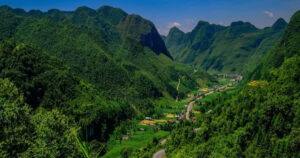

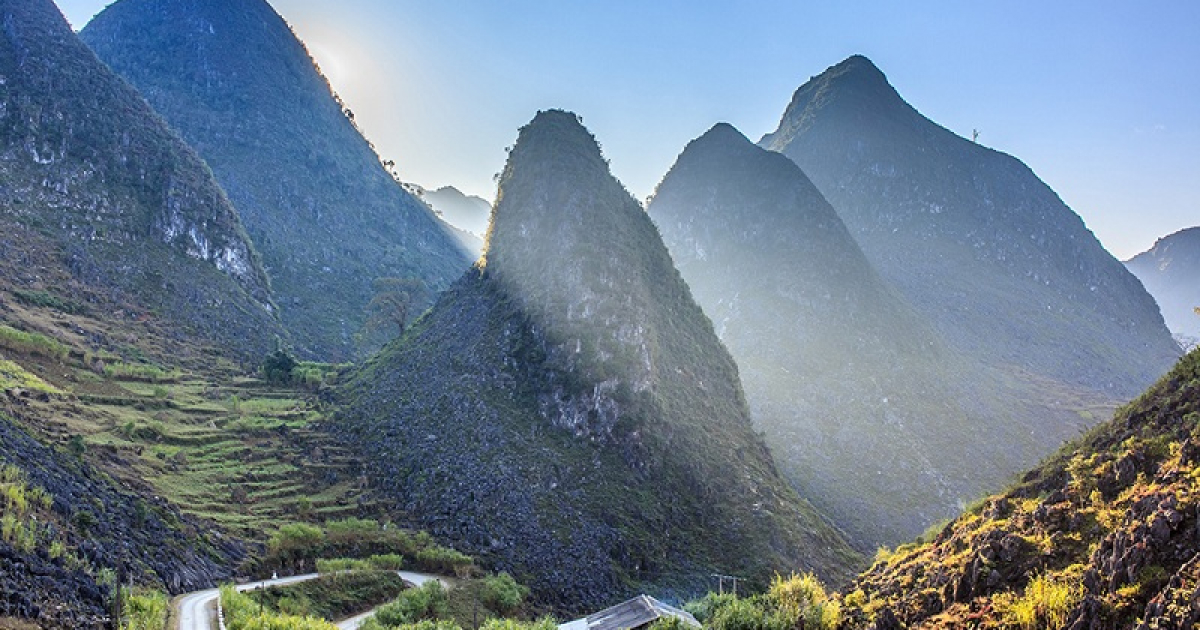
For a long time, the Dong Van Karst Plateau has been one of the most famous destinations in Ha Giang. Many travelers come here to conquer the challenging mountain passes and admire the stunning scenery of Dong Van during the blooming flower seasons. Dong Van Karst Plateau a UNESCO global geopark in Ha Giang promises an unforgettable experience. So why wait? Join Ha Giang Ali Hostel and explore this super “hot” destination today!
Located approximately 300 km from Hanoi, the Dong Van Karst Plateau is a must-visit destination in Ha Giang, attracting thousands of travelers every year. Situated at an average altitude of 1,000–1,600 meters above sea level, the plateau spans four districts: Quan Ba, Yen Minh, Meo Vac, and Dong Van, covering a total area of 2,356 km².
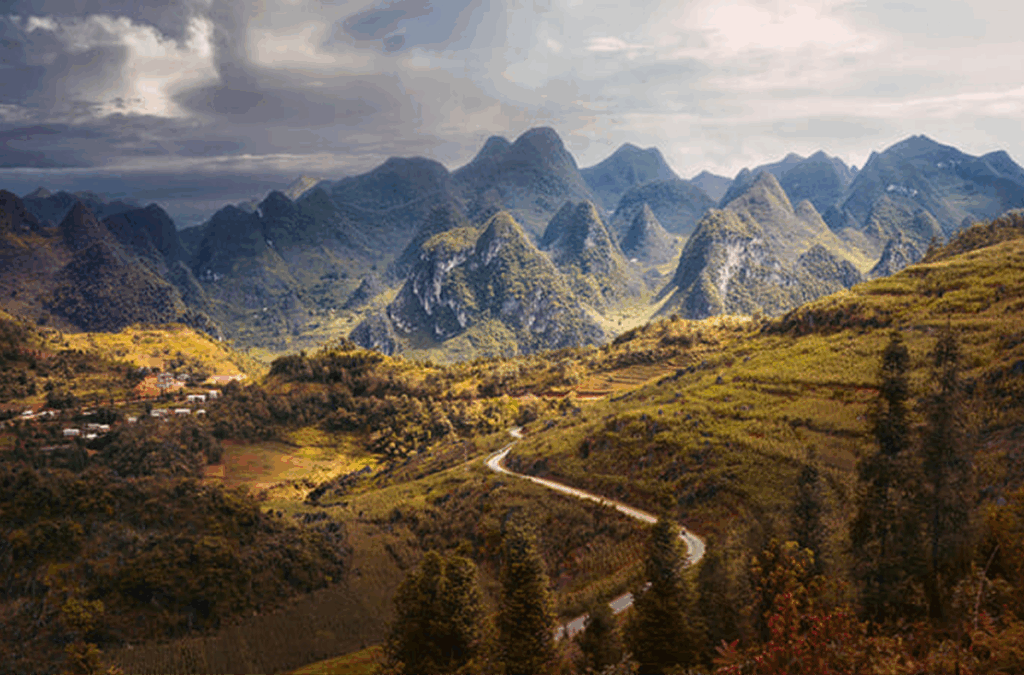
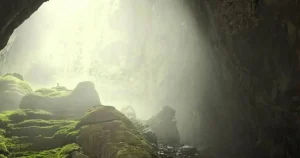
The Dong Van Karst Plateau impresses not only with its vast area and elevation but also as one of the rare regions preserving the Earth’s geological history. About 80% of the plateau is limestone, some formations dating back hundreds of millions of years. The gray limestone slabs are naturally arranged in mesmerizing patterns, creating breathtaking landscapes that captivate every visitor.
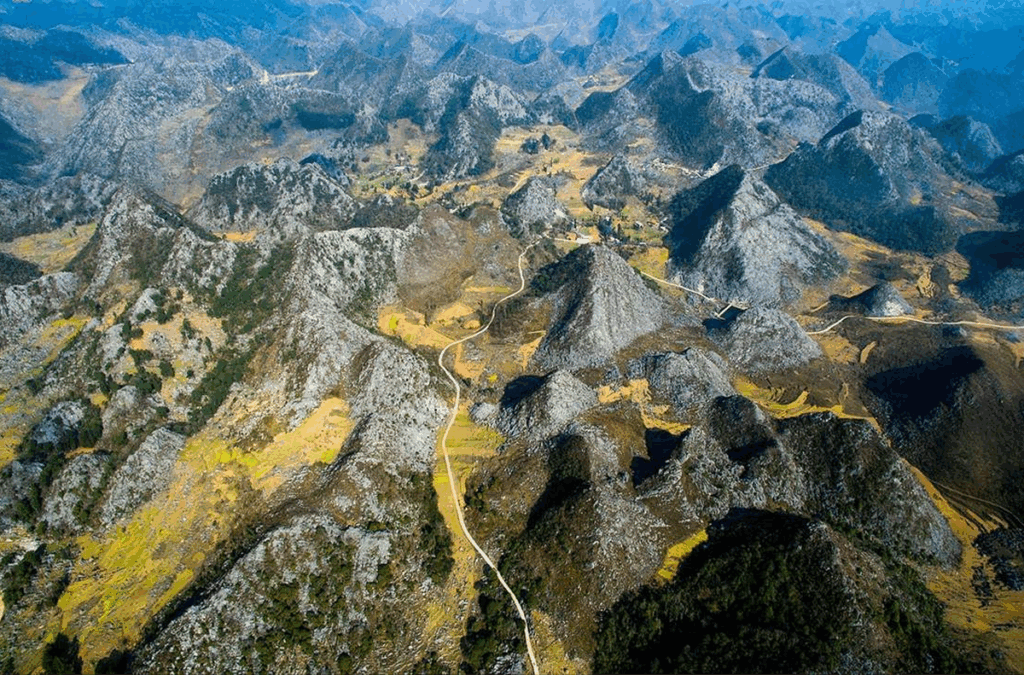
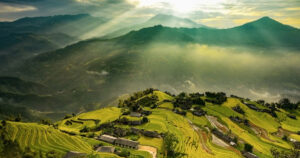
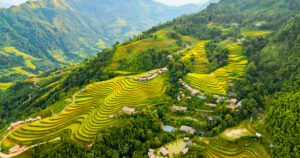
The plateau comes alive with vibrant colors across the seasons:
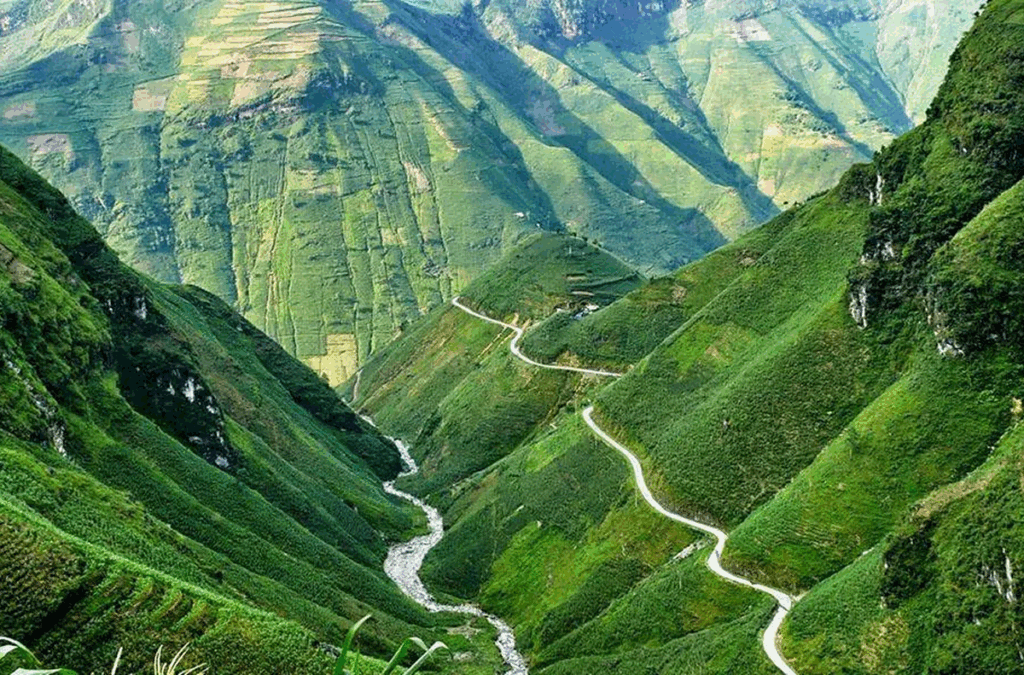
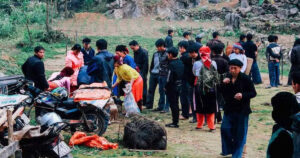
Beyond natural beauty, the Dong Van Karst Plateau showcases local culture through the humble houses of the Hmong people. Each home is protected by stone fences, carefully crafted from irregular limestone slabs, highlighting the skill and artistry of the local inhabitants.
The Dong Van Karst Plateau is located about 140km from Ha Giang city center. To reach this UNESCO Global Geopark, it’s best to travel first to Dong Van town by car or motorbike, which takes around 2.5 – 3 hours. If you want to save energy for the trekking and riding routes ahead, you can take a local bus from Ha Giang city to Dong Van at a cost of approximately 70,000 – 80,000 VND per person.
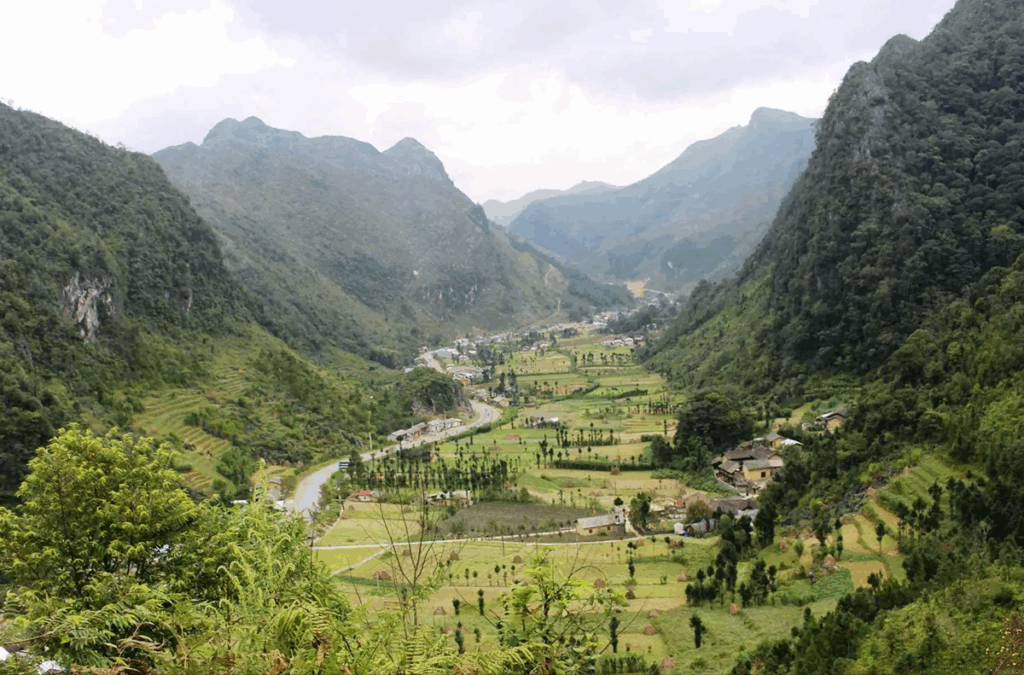
The road from Ha Giang to Dong Van can be challenging, with many winding mountain passes, so make sure your driving skills are ready for a smooth journey. We highly recommend traveling by motorbike, as you’ll pass through most of the must-visit attractions in Ha Giang. Remember to fill up your fuel tank before leaving, as gas stations are scarce along the route.
Exploring the Dong Van Karst Plateau by motorbike offers a full adventure experience while allowing you to enjoy the breathtaking landscapes of Ha Giang.
When visiting the Dong Van Karst Plateau, the Vương Family Mansion is a must-see. Built in the early 20th century, this unique architectural complex imitates the Qing Dynasty style of China, featuring elegant curves, intricate carvings, and harmonious details.
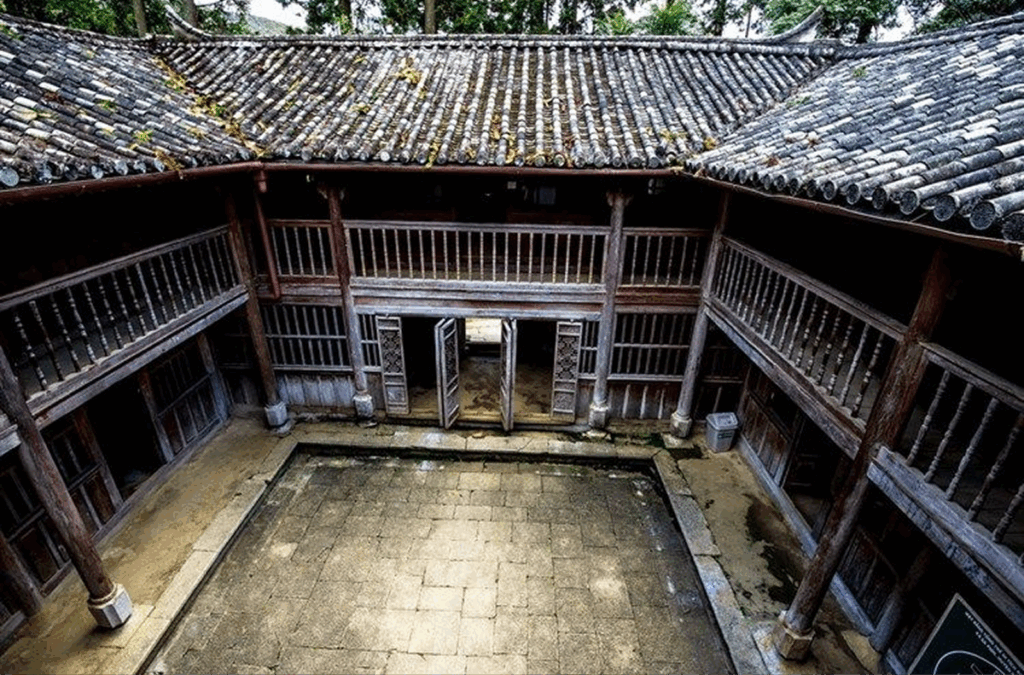
The mansion covers over 1,000m² and consists of 10 houses, with 6 of them aligned in the same direction. All construction materials are made from precious antique wood, and the roofs are covered with traditional tile, creating a space that is both historic and majestic.
Ma Pi Leng Pass, renowned as one of Vietnam’s four great mountain passes, reaches an altitude of 1,200 meters above sea level. The 20km road winds through sharp curves and challenging slopes, offering adventurers a breathtaking experience amid the majestic mountainous landscape.
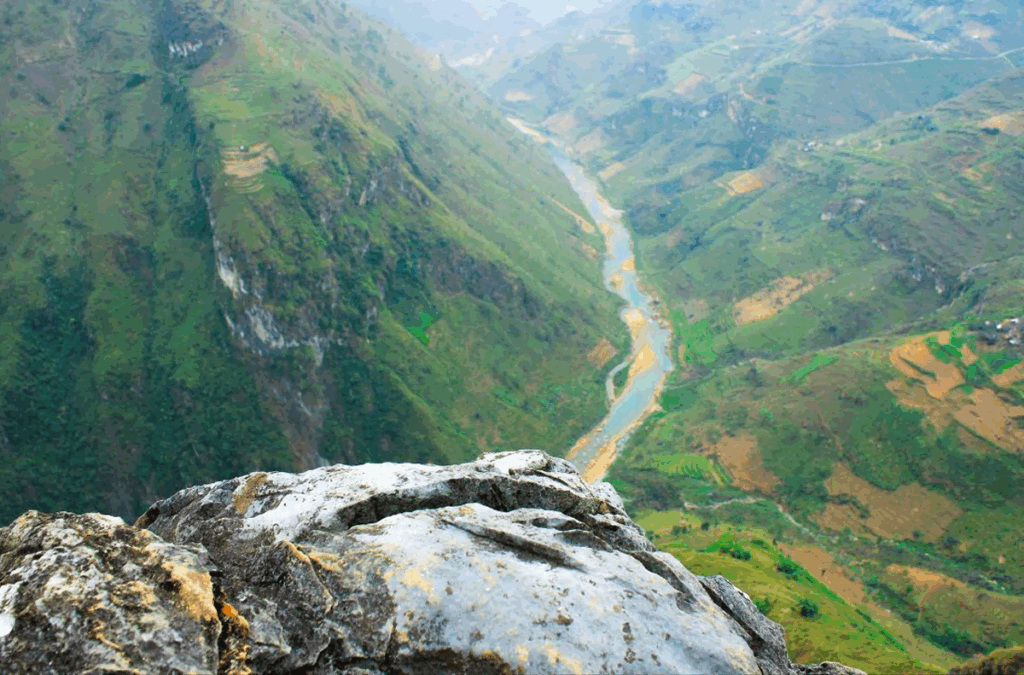
From above, the Nho Que River looks like a silky blue ribbon cascading through the mountains of Northeast Vietnam. Flowing beneath the rugged “cat ear” peaks, the river creates a stunning emerald boundary between Ma Pi Leng Pass and Sam Pun Road.
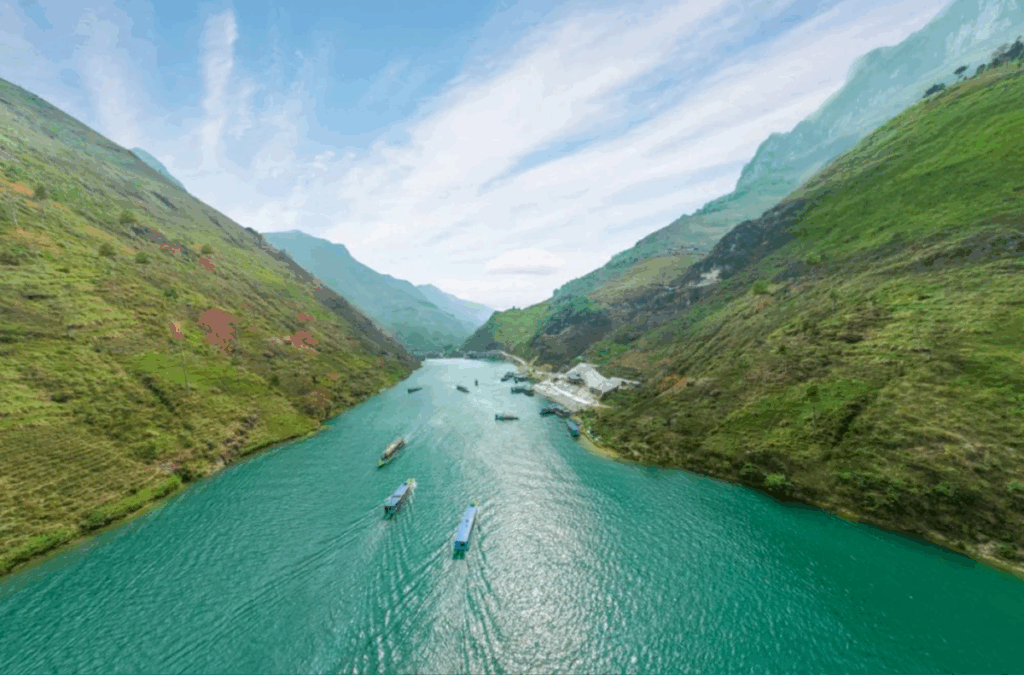
At the Dong Van Karst Plateau, you can rent a boat to enjoy the mesmerizing views of the river with its jade-green waters and rolling mountains. The path down to the river is challenging; for a safer option, consider hiring a local motorbike guide.

Exploring the Dong Van Karst Plateau, visitors can admire its pristine, ancient, and captivating beauty while visiting famous attractions and nationally recognized historical sites such as the Vuong family Mansion, Dong Van Old Town, Ma Pi Leng Pass, and Quan Ba Twin Mountains. Each site provides a unique experience, offering deeper insights into the culture, history, and majestic nature of Vietnam’s northernmost region. Let Ha Giang Ali Hostel accompany you on this journey with complete services for booking tours, organizing team building, and tourism events in Ha Giang for more information, contact us via Fanpage: Ha Giang Ali Hostel or Hotline/WhatsApp: +84 973 645 745.
See more: