The Ha Giang Loop difficulty is moderate, not extreme. The roads are paved the whole way, but they bend almost constantly, and a typical day covers 100 to 160 km of mountain switchbacks. Sitting behind a local Easy Rider it is physically easy but long; riding the motorbike yourself it is a real test of skill and concentration; and the parts that tire most people are not the kilometres at all but the stairs, the cold and the rain.
We are Ha Giang Ali Travel, a licensed international tour operator (licence 08-0007/2025/CDLQGVN-GP LHQT) and hostel in Ha Giang city, and we send riders, passengers and trekkers onto this road every week. Rather than rate the Loop with a vague “challenging”, this guide breaks the Ha Giang Loop difficulty down by what you will actually do: how many kilometres each day on our own routes, which passes and steps are hardest, how the effort changes with an Easy Rider, on your own bike or in a car, and how to make it easier. Safety is a separate question with its own answer; for that, read our honest guide to whether the Ha Giang Loop is safe.
How hard is the Ha Giang Loop? The short answer
How hard the Loop feels depends far more on how you travel than on your fitness. Here is the Ha Giang Loop difficulty for each way of doing it, based on the formats we run:
| How you travel | Difficulty | What is actually hard |
|---|---|---|
| Private car with driver | Easy | Long days of bends; motion sickness for some |
| Pillion behind an Easy Rider | Easy to moderate | Five to six hours a day on the back seat, wind and cold, holding on through the bends |
| Riding the motorbike yourself | Moderate to hard | Constant hairpins, trucks, wet tarmac and fog; you need real experience on a geared bike |
| Village trek on foot (no Loop road) | Moderate, one challenging day | 10 to 16 km of walking a day on village paths |
In other words: if you have never ridden a manual or semi-automatic motorbike on mountain roads, the Ha Giang Loop difficulty is something you solve by choosing the right seat, not by training. Our Easy Rider vs self-drive guide goes deeper into that choice.
What makes the Ha Giang Loop difficult?
Five things decide the Ha Giang Loop difficulty, and distance is only the first of them.
1. Bends, not kilometres
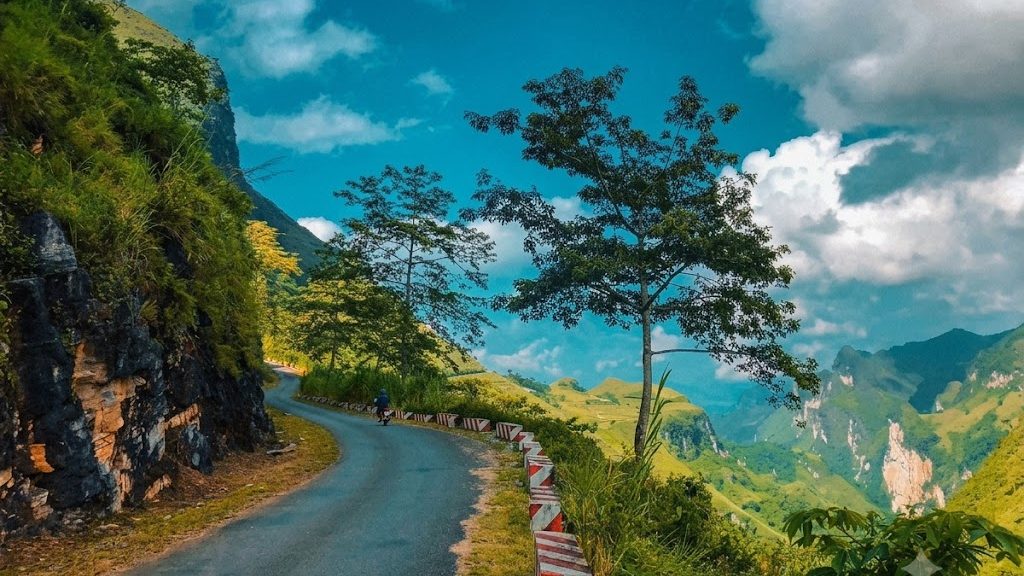
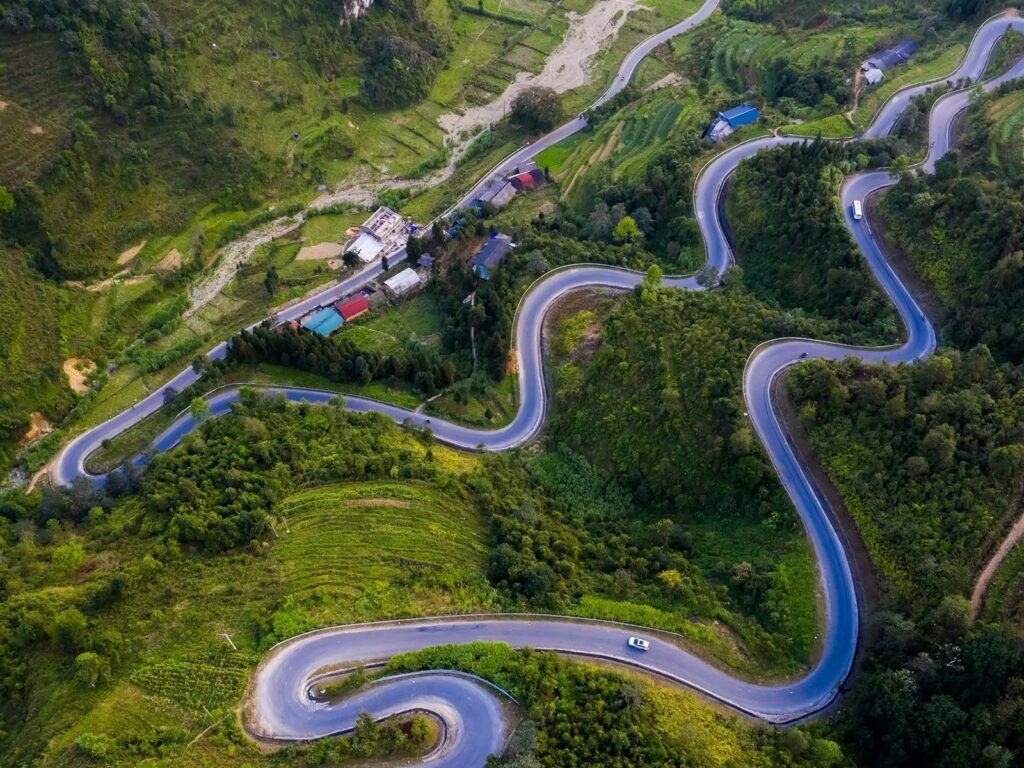
On our 3-day route each day covers roughly 120 to 160 km, and almost all of it is switchbacks. The first big one comes on the first morning out of Ha Giang city: Bac Sum Pass, about 7 km of hairpins on Road 4C, followed in the afternoon by the zigzags of Tham Ma Pass. A day of 150 km sounds short to anyone used to motorways, but on these roads it means five to six hours of riding, with every bend asking for a decision. That, far more than distance, is the core of the Ha Giang Loop difficulty.
2. Hours in the saddle
Our Loop days follow the same rhythm: breakfast at 08:00, briefing at 08:30, departure at 09:00, arrival at the homestay in the late afternoon. There are no dawn starts, but there are many hours on a motorbike seat between viewpoints, lunch and village stops. For passengers this, not the road, is the main part of the Ha Giang Loop difficulty: stiff hips, a tired back and cold hands.
3. Rain, fog and cold
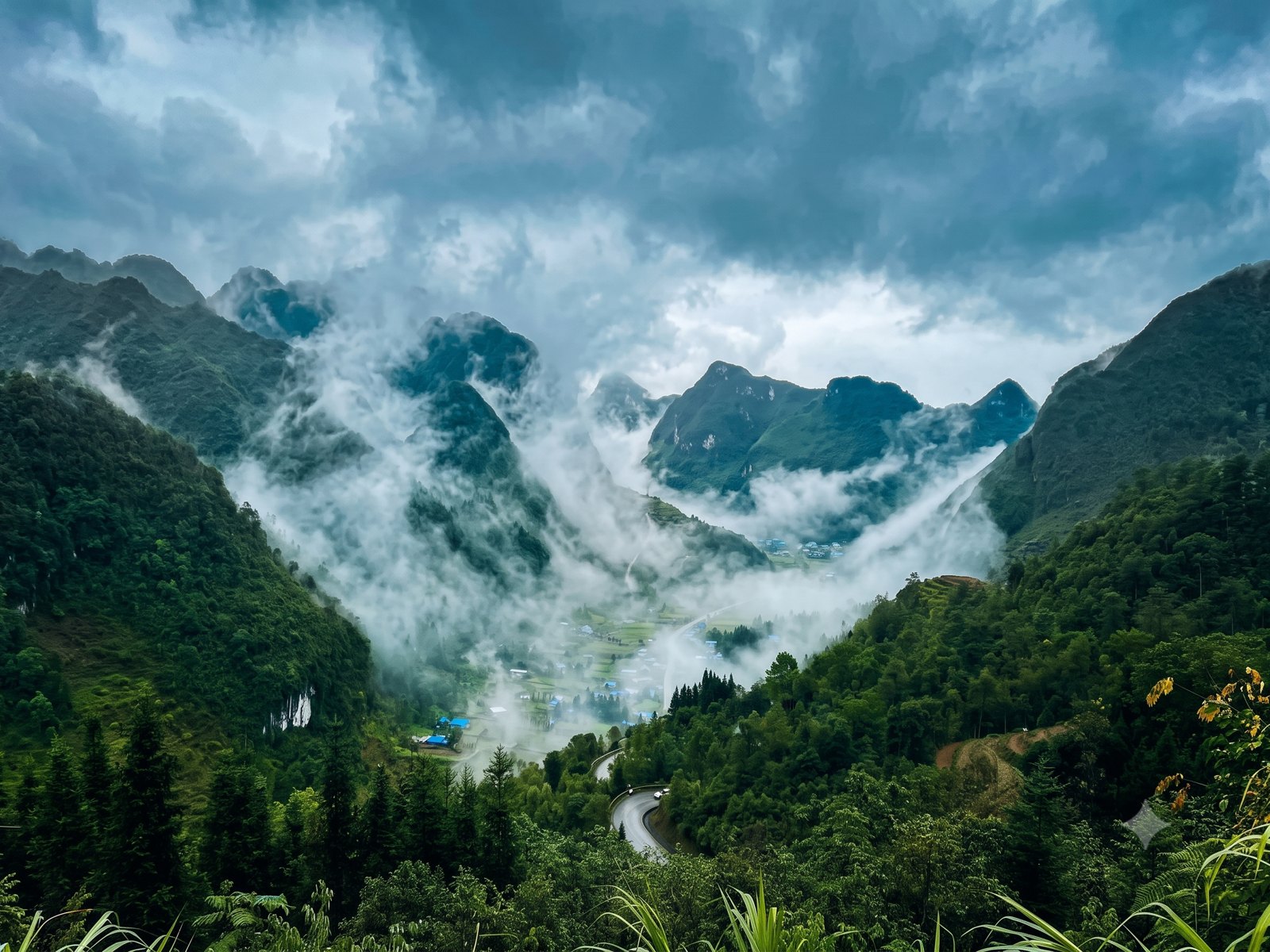
From June to September rain makes the tarmac slick, fog on the high passes can cut visibility to a few metres, and landslides occasionally close short sections. From November to February the problem is cold: the wind on a motorbike at 1,500 m is sharp, and evenings in the villages are chilly. The Ha Giang Loop difficulty in the wet months is real enough that we recommend four days rather than three in summer; our rainy season guide covers how we ride around the weather.
4. Altitude: higher than it sounds, lower than it feels
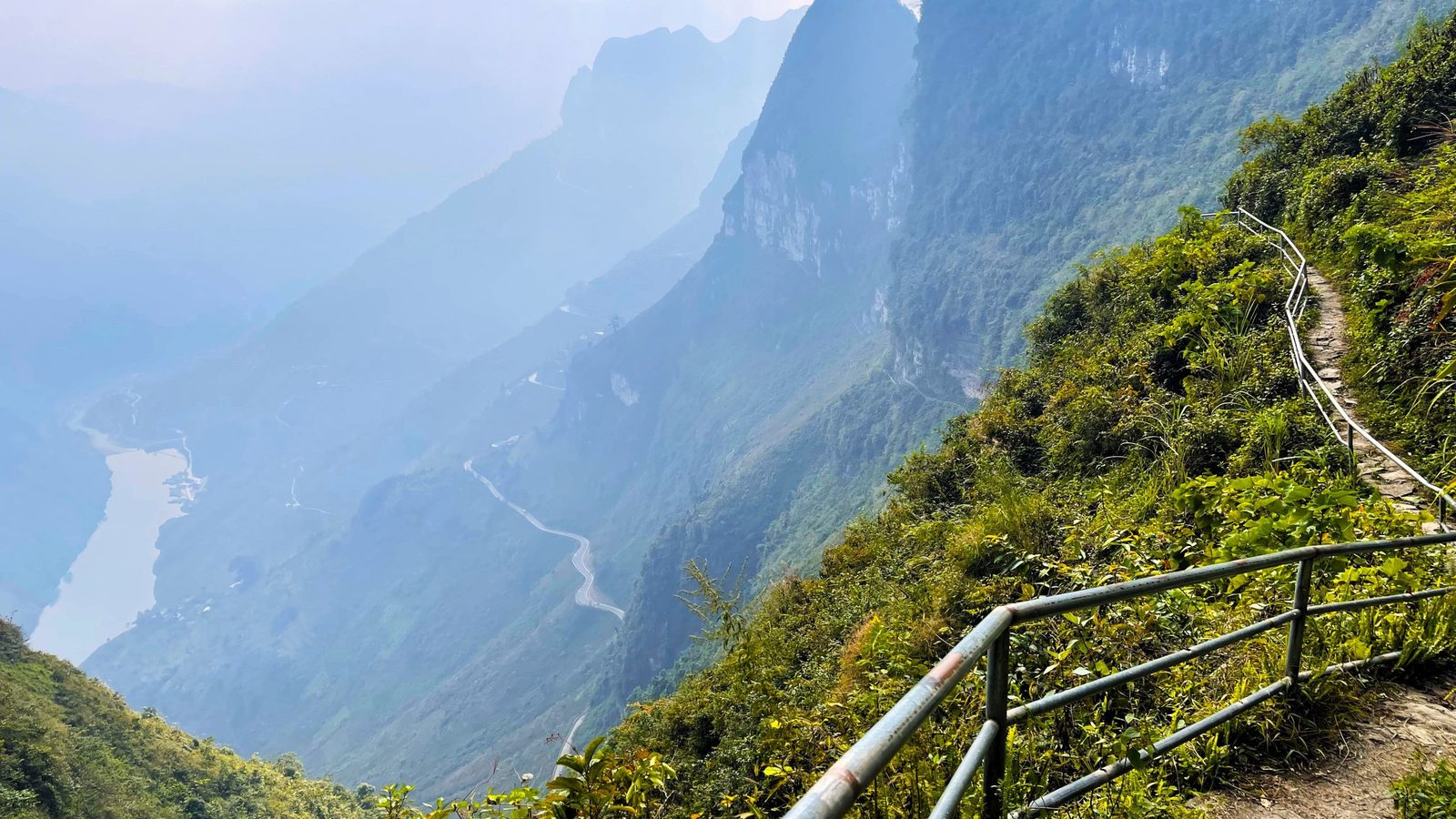
The Dong Van Karst Plateau UNESCO Global Geopark sits at roughly 1,400 to 1,600 m, the top of Ma Pi Leng Pass at about 1,500 m, and the Lung Cu Flagpole at about 1,700 m. That is well below the heights where altitude sickness usually begins, so altitude adds little to the Ha Giang Loop difficulty except cold.
5. Stairs and short walks
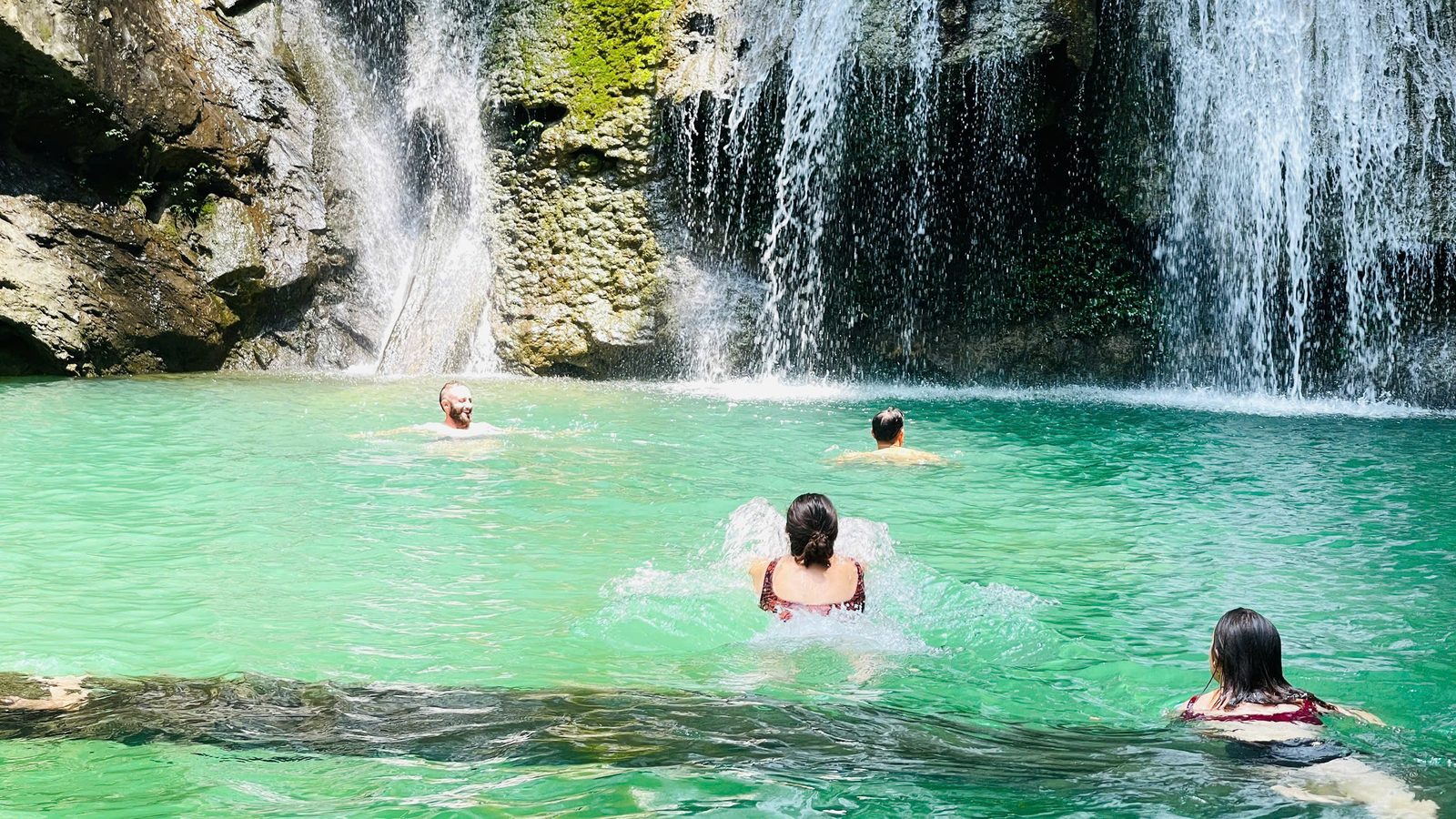
This surprises people: for many guests the stairs are the steepest part of the Ha Giang Loop difficulty, and the hardest physical moments of the trip are on foot. Our tour notes count 286 stone steps up to the Lung Cu flag tower; climb all the way from the bottom of the hill to the top of the tower and Vietnam News Agency’s VietnamPlus counts 839 steps in three stages, the last 135 spiralling inside the column. On our Classic routes the walk to Khau Lan waterfall takes about 40 minutes through forest, the White Cliff walk above the Nho Que River needs sure footing, and the path down to the Du Gia waterfall is about 300 m of stone. Every one of them is optional.
Ha Giang Loop difficulty day by day on our routes
These figures come straight from the day-by-day programmes on our tour pages, and they show how the Ha Giang Loop difficulty changes from one day to the next. Using our 4-day Du Gia Waterfall tour as the example:
| Day | Route | Distance | What makes it hard |
|---|---|---|---|
| Day 1 | Ha Giang → Quan Ba Heaven’s Gate → Lung Tam → H’Mong King’s Palace → Dong Van | About 150 to 160 km | The longest day: Bac Sum Pass in the morning, Tham Ma Pass in the afternoon |
| Day 2 | Lung Cu Flagpole → Lo Lo Chai → Ma Pi Leng Pass → Nho Que boat → Meo Vac | About 100 km | Fewer kilometres, but the steps at Lung Cu and the cliff road of Ma Pi Leng |
| Day 3 | Meo Vac → back road south → Du Gia village and waterfall | About 90 km | The shortest day, but the quiet back road from Meo Vac to Du Gia is the trickiest riding of the standard route for self-riders |
| Day 4 | Du Gia → Ha Giang city | About 110 km | An easy final ride, then an evening bus |
Compare that with the 2-day Ha Giang Loop Express: about 150 to 160 km on each of its two days, roughly 300 km in total. It is the most tiring way to see the Loop, and it is offered by Easy Rider only. If you want more help with the trade-off, our guide to how many days you need for the Ha Giang Loop compares every length side by side.

How hard is the Ha Giang Loop with an Easy Rider?
An Easy Rider is a local driver who rides the motorbike while you sit behind, so you need no licence and no riding skill. That takes away almost all of the technical Ha Giang Loop difficulty, but not the physical side. Expect:
- A long sit. Five to six hours a day on the back seat, broken up by stops. Back or hip problems are the main reason to choose a car instead.
- Holding on. In tight bends you lean with the bike and keep a hand on the grab rail. It quickly becomes natural.
- Wind and cold. Even on a sunny day the passes are cool at speed. Gloves and a windproof layer make more difference than anything else; our Ha Giang Loop packing list has the full kit.
On our 3-day Dong Van & Ma Pi Leng tour the Easy Rider option costs 4,250,000 VND (about $163) per person, with the permit, homestays, meals, entrance fees, the Nho Que boat and travel insurance with BIC (up to 50,000,000 VND) included. For most first-timers it is the simplest way to take the Ha Giang Loop difficulty out of the equation.
How hard is the Ha Giang Loop if you ride yourself?
For self-riders the Ha Giang Loop difficulty is mostly about skill and attention. You are a good fit if you already ride a motorbike at home, ideally one with gears, you are comfortable on hills, and you can concentrate hard for 100 to 160 km a day. You are not a good fit if you have only ridden an automatic scooter on flat city streets: mountain passes are a different job, and the accidents you read about almost always involve an inexperienced rider. Being honest about your own riding is the most useful thing you can do about the Ha Giang Loop difficulty.
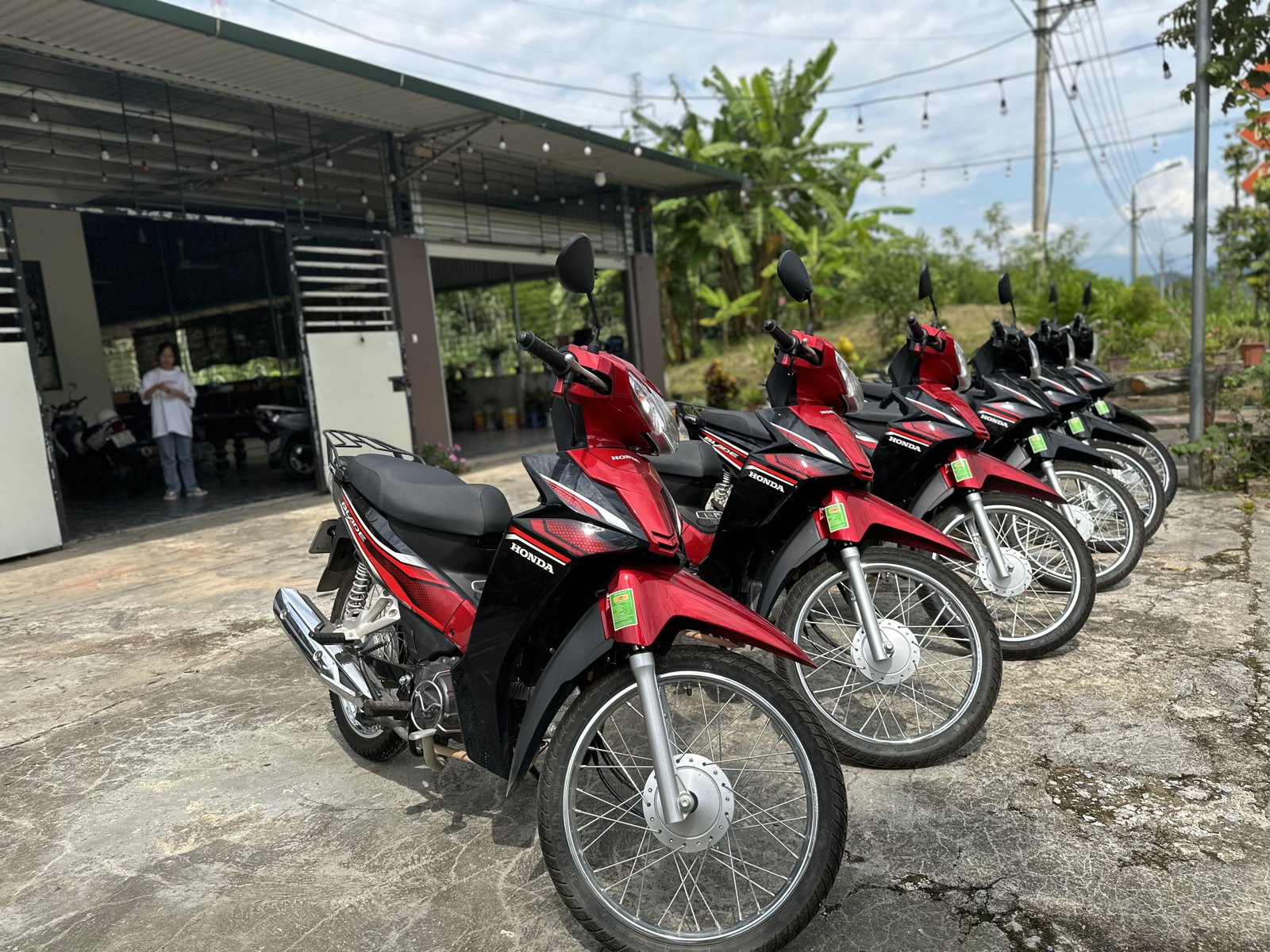
Three practical points shape the Ha Giang Loop difficulty for self-riders:
- Licence. Vietnam recognises the International Driving Permit issued under the 1968 Convention, so check which convention yours was issued under and that it covers motorbikes. Our International Driving Permit guide explains the details.
- Gear and pace. On our tours self-riders get a helmet, body and knee protectors, and the guide rides ahead to set the pace.
- A way out. On tours that offer both options you can ask to switch to an Easy Rider; tell us as early as possible, ideally when you book, so we can check a rider is free for your date.
On the same 3-day route, riding yourself costs 3,250,000 VND (about $125) and bringing your own bike 2,850,000 VND (about $110). If you plan to ride without a tour, our motorbike rental page lists every bike from 180,000 VND per 24 hours.
Which Ha Giang Loop tour is the easiest?
If the Ha Giang Loop difficulty is what worries you, these are the gentlest ways to do it:
- Easiest overall: a private car. Our Classic tours offer a car with driver: Private Trail (2 days, from 4,450,000 VND, about $171), White Cliff & Sky Path (3 days, about $263) and Du Gia Valley (4 days, about $342).
- Easiest on a motorbike: four days. The Du Gia Valley 4-day tour has a relaxed 70 to 90 km day in the middle and ends with 120 to 140 km, instead of stringing long days together.
- Hardest: the 2-day Express. About 300 km in two days. Choose it only if time is the one thing you cannot change.
- No road at all: trekking. Our Ha Giang Village Trek walks about 47 km over four days through Dao villages and the Xa Phin rice terraces, with no vehicle from start to finish: 11, 10, 16 and 10 km, with the 16 km third day rated challenging. Our Ha Giang trekking guide compares it with other walks.
Whatever you choose, the Ha Giang Loop difficulty drops sharply the moment you stop rushing: one extra night does more than any amount of training.

How to make the Ha Giang Loop easier: 8 tips from our guides
- Choose four days over three if you have the time. The same road with one more night lowers the Ha Giang Loop difficulty more than any other single change.
- Pick the seat that matches your real experience, not the one in your holiday photos. Never ridden a geared bike on hills? Easy Rider.
- Ride in the morning in summer. Rain usually arrives in the afternoon.
- Never ride after dark. Unlit roads, fog and livestock make night riding the easiest risk to avoid.
- Dress in layers from November to February, with gloves and a windproof jacket. Check our Ha Giang weather by month before you go.
- Skip stairs without guilt. The Lung Cu tower and the White Cliff walk are optional, and the guide waits with you.
- Tell us about knees, hips, back or heart when you book, so we can suggest the car or plan where it can wait closer. Our guide to the Ha Giang Loop for travellers over 50 has more on pacing.
- Arrive rested. The overnight bus from Hanoi reaches Ha Giang around 04:00 to 05:00; tour guests get a free dorm bed at our hostel until breakfast, which takes a lot of the Ha Giang Loop difficulty out of day one.
FAQ: Ha Giang Loop difficulty
Is the Ha Giang Loop hard for beginners?
For beginners as passengers, no: with an Easy Rider or a car you need no riding skill at all. For beginners as riders, yes: the Loop is not the place to learn to ride a motorbike. If you have only ridden automatic scooters on flat streets, sit behind an Easy Rider.
Can I do the Ha Giang Loop if I have never ridden a motorbike?
Yes, and this is how most first-timers do it. You sit behind a local Easy Rider, who handles the bike, the bends and the traffic, or you travel by private car with a driver. Either way, the Ha Giang Loop difficulty becomes a question of comfort, not skill.
How many hours a day do you ride on the Ha Giang Loop?
On a 3-day Loop, two of the days are roughly 150 km, which is five to six hours of riding plus stops. Days leave at 09:00 and arrive in the late afternoon. On a 4-day Loop one day drops to 70 to 90 km.
Is the Ha Giang Loop harder in the rainy season?
Yes. From June to September wet tarmac, fog on the passes and the occasional landslide raise the Ha Giang Loop difficulty, especially for self-riders. We ride early, adjust the route around the weather and recommend four days in summer so there is a buffer.
Do I need to be fit to do the Ha Giang Loop?
You need ordinary fitness, not athletic fitness. Being able to sit comfortably for a couple of hours at a time and walk short, uneven paths is enough; the stair climbs are optional. The Village Trek is the exception: it asks for 10 to 16 km of walking a day.
What is the hardest part of the Ha Giang Loop?
It depends on your seat. For self-riders it is the stretches that demand full attention: the Tham Ma hairpins, the M-shaped bends and the back road from Meo Vac to Du Gia, all of them harder on wet tarmac or in fog. For passengers it is the hours on the back seat. On foot it is the Lung Cu stairs. Those three things make up most of the Ha Giang Loop difficulty, and each has a simple fix: an Easy Rider, a car or a skipped climb.
Is altitude a problem on the Ha Giang Loop?
Not usually. The highest points you visit, around 1,400 to 1,700 m, are well below the levels where altitude sickness normally begins. What you will notice is the cold at the top of the passes.
Ride the Ha Giang Loop at the level that suits you
Tell us your riding experience, your dates and who is travelling, and we will tell you honestly which seat and which length match the Ha Giang Loop difficulty you are comfortable with. Tours start from 2,790,000 VND (about $107) per person with the border permit and VAT included, and a 500,000 VND deposit per guest holds your place. WhatsApp or Zalo (+84) 787 652 333, email info@hagiangalitravel.com, or browse all our tours.
See more: