Discover Pho Cao Market a vibrant highland market filled with culture, brocade colors, and local traditions. Stay at Ha Giang Ali Hostel.
If you travel to the rocky plateau of Tuyen Quang province, visiting a local market is an experience you should not miss. Among these unique gatherings, Pho Cao Market stands out as a cultural highlight where local life unfolds in the most authentic way. According to Ha Giang Ali Hostel, this market is not only a place for trading goods but also a colorful meeting point filled with traditional brocade costumes, lively conversations, and romantic encounters of ethnic communities living in the stone mountains. Here, visitors can witness a vibrant world where culture, tradition, and daily life blend together, making Pho Cao Market a memorable stop for anyone exploring the majestic highland region.
1. Where Is Pho Cao, Tuyen Quang? Why Is It a Must-Visit Check-in Spot Near Pho Cao Market?
Pho Cao Market is located along National Highway 4C, the iconic mountain road that leads travelers to the famous Dong Van Karst Plateau Global Geopark. The market belongs to Dong Van Commune, Tuyen Quang province (formerly Ha Giang), and is approximately 40 km from Tuyen Quang City.
Thanks to its strategic position on the Dong Van Plateau travel route, Pho Cao Market is often included in the same journey as Pho Cao Market, making it a convenient cultural stop for visitors exploring the highlands. Many travelers choose to pause here to experience the authentic atmosphere of a traditional mountain market before continuing deeper into the plateau.
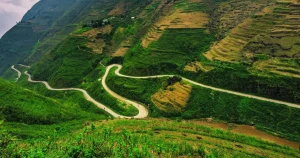
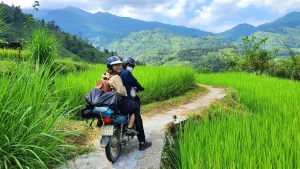
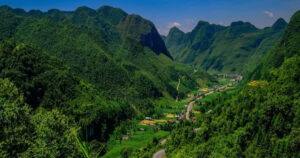
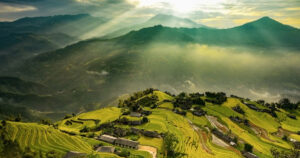
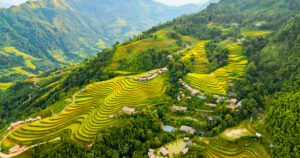
Surrounded by the dramatic limestone formations typical of the Dong Van Karst Plateau, the area around Pho Cao Market offers a landscape that feels both wild and poetic. The region is characterized by open valleys, traditional Hmong villages, and peaceful countryside scenery that remains largely untouched by mass tourism.
Where Is Pho Cao, Tuyen Quang
Small terraced fields, earthen houses, and winding mountain roads create a distinctive highland panorama. This authentic setting is exactly what attracts photographers, travel bloggers, and explorers searching for hidden gems near Pho Cao Market.
With its quiet charm, rugged karst landscapes, and well-preserved ethnic culture, Pho Cao Market has quickly become one of the most photogenic and authentic travel destinations in Tuyen Quang province.
2. Pho Cao Market – A Unique Cultural Space in the Highlands
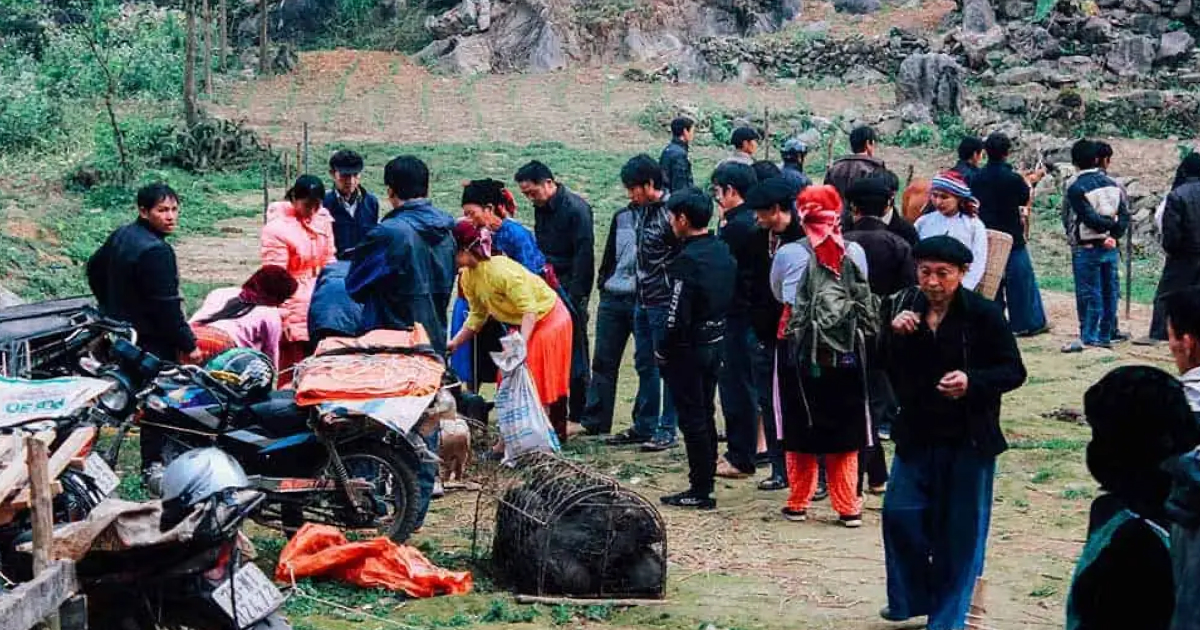
When mentioning Pho Cao, one cannot overlook Pho Cao Market, a traditional highland market that reflects the daily life and cultural identity of the Mong, Dao, and Pu Peo communities living in the area. More than just a trading place, serves as a cultural meeting point where local people gather, exchange goods, share stories, and reconnect after long days working on the terraced fields.
2.1 Pho Cao Market and the Backward Market Tradition
One of the most distinctive features of Pho Cao Market is its “backward market” schedule, a unique tradition commonly found in the highlands of Tuyen Quang province. Instead of being held on a fixed weekday, Pho Cao Market operates on a six-day cycle. Each new market session takes place one day earlier than the previous week.
For example, if Pho Cao Market takes place on Sunday this week, the next market will be on Saturday, then Friday in the following cycle. This system originates from the traditional lifestyle of the Mong people, who historically measured time through agricultural activities, lunar phases, and farming schedules rather than a fixed calendar like in lowland regions.
Pho Cao Market and the Backward Market Tradition
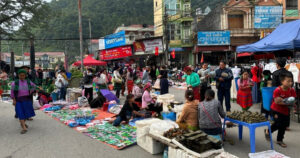
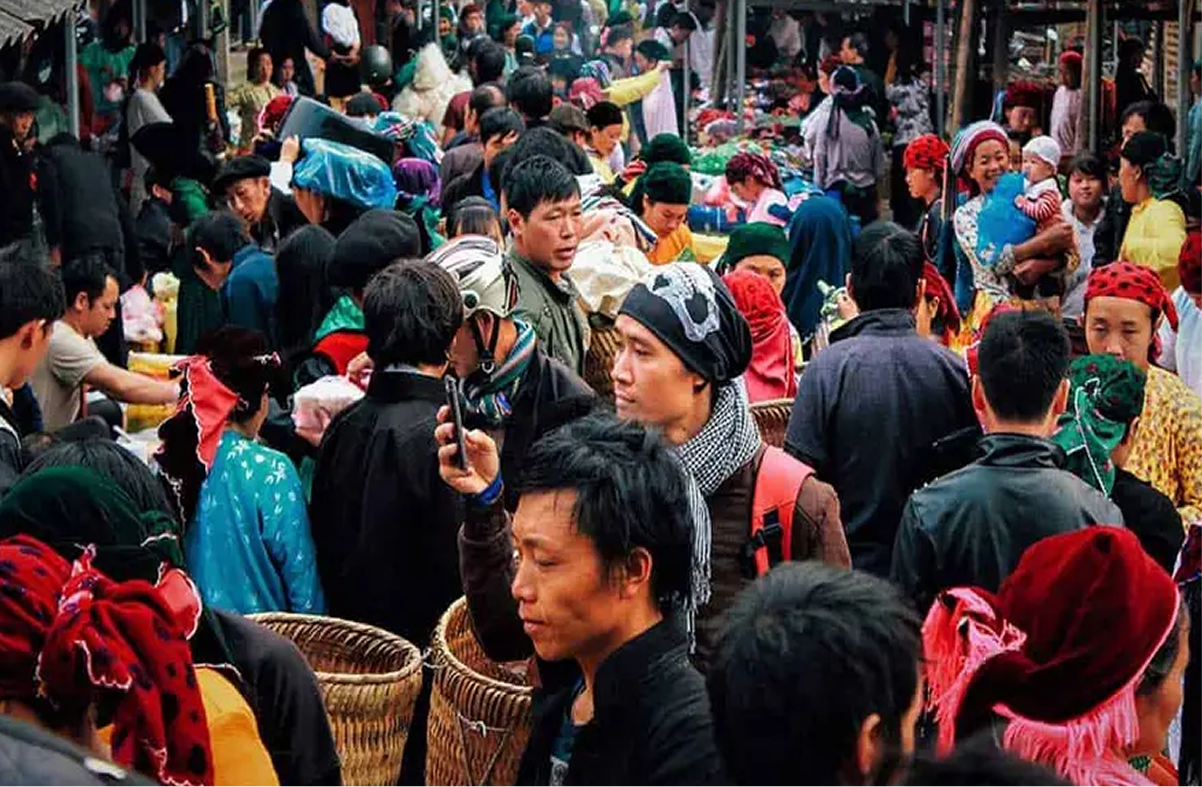
Beyond commerce, Pho Cao Market plays an important role in the spiritual and social life of local communities. On market days, villagers wear their most beautiful traditional costumes, meet friends, exchange village news, and sometimes even look for a life partner. For many travelers, visiting Pho Cao Market on the right day is the fastest way to experience the authentic rhythm of highland life: lively but unhurried, simple yet deeply emotional, and remarkably genuine despite the rapid development of tourism.
2.2 Exploring Pho Cao Market: What Makes It So Special?
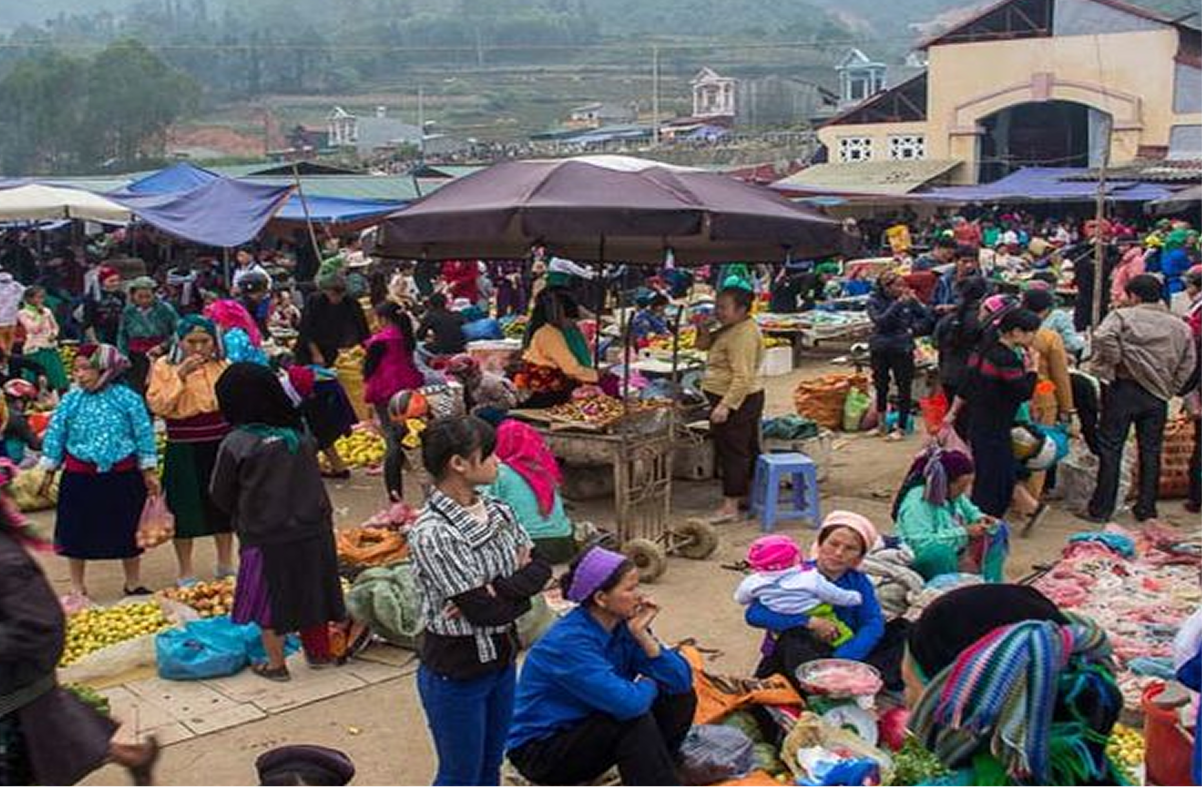
One of the highlights that attracts visitors to Pho Cao Market is its vibrant highland cuisine. Travelers often start the morning with a warm bowl of five-color pho, made from rice noodles naturally dyed with forest leaves. The aroma of local specialties quickly fills the air: buckwheat cakes, corn cakes, Thang Co, steamed rice rolls served with bone broth, and cups of strong corn wine fermented with herbal yeast.
Besides hot dishes, Pho Cao Market is also a great place to discover local agricultural products such as soybeans, wood ear mushrooms, mint honey, and smoked buffalo meat. These products reflect the daily farming life of the ethnic communities living around the region.
Exploring Pho Cao Market What Makes It So Special
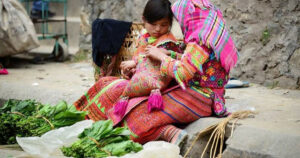
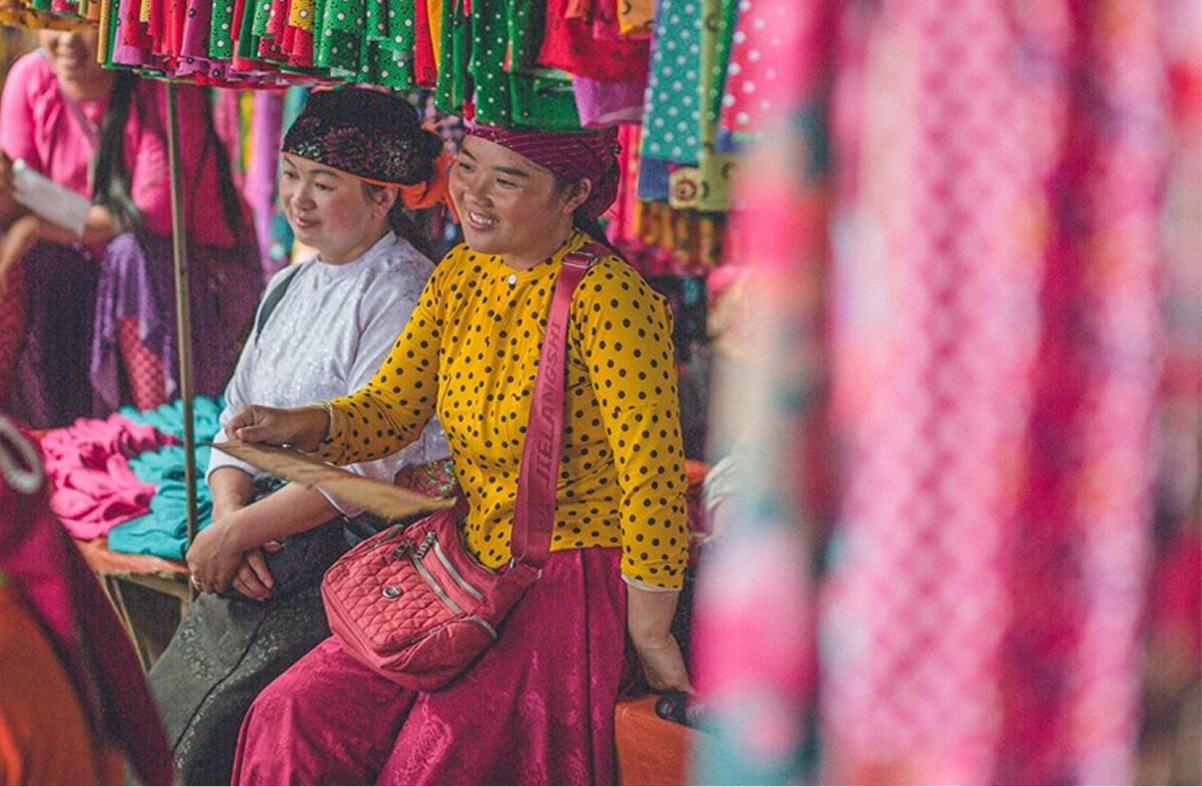
Next to the food area lies the colorful brocade section, where Mong and Dao women display handwoven linen fabrics and traditional embroidered clothing. The intricate patterns, vibrant colors, and handmade craftsmanship represent generations of cultural heritage.
The combination of local cuisine, traditional handicrafts, and the authentic trading atmosphere creates the unique charm of Pho Cao Market. This special blend of culture and everyday life is what makes visitors want to stay longer, explore deeper, and truly feel the spirit of the highlands in Tuyen Quang province.
3. Tips for Visiting Pho Cao Market
Travelers have the opportunity to immerse themselves in the vibrant cultural atmosphere of the highland ethnic communities. Located in Tuyen Quang province, this traditional market is not only a place for trading goods but also a cultural gathering space for local people. To ensure a meaningful and respectful experience, visitors should keep several important tips in mind.
Respect Local Culture and Traditions
Pho Cao Market reflects the authentic lifestyle of ethnic groups such as the Mong and Dao communities. When exploring the market, visitors should respect local customs and traditions. If you want to take photos of local people, it is polite to ask for permission first. Showing respect helps preserve the cultural identity of the community and creates a more welcoming atmosphere for travelers.
Prepare for Highland Weather
The weather in Tuyen Quang province can change quickly, especially in mountainous areas. Visitors should prepare appropriate clothing depending on the season. Warm jackets are recommended during colder months, and comfortable walking shoes are essential for traveling along mountain roads and exploring Pho Cao Market.
Bring Enough Cash
Because Pho Cao Market is located in a rural highland area, ATMs and card payment services are limited. It is advisable to bring enough cash when visiting the market so you can easily purchase local food, handicrafts, and agricultural products.
Check the Market Schedule
One of the unique features of Pho Cao Market is its rotating market schedule, commonly known as a “backward market.” Instead of taking place on the same day every week, the market occurs every six days, which means the market day shifts earlier in the following week.
Shop Carefully and Ask About Prices
When shopping at Pho Cao Market, visitors should ask about prices before purchasing items. Products such as Brocade Textiles, handmade crafts, and fresh local produce are usually affordable, but it is still wise to confirm the price and quality beforehand to avoid misunderstandings.
By keeping these tips in mind, your visit to Pho Cao Market will become a memorable cultural experience where you can truly appreciate the traditions, lifestyle, and hospitality of the ethnic communities in Tuyen Quang province.
Conclusion
A visit to Pho Cao market is not just about sightseeing. It is a chance to discover handmade souvenirs, enjoy distinctive mountain cuisine, and listen to fascinating stories shared by local ethnic communities. Every corner of the market reflects the vibrant culture and timeless traditions of the northern highlands.
Plan your journey, capture unforgettable moments, and bring home meaningful memories from Pho Cao market Let Ha Giang Ali Hostel accompany you on this adventure and help you explore the true beauty of Tuyen Quang province in the most authentic way.
FAQ About Pho Cao Market
1. Where is Pho Cao Market located?
Located along National Highway 4C on the route to the famous Dong Van Karst Plateau Global Geopark. The market belongs to Dong Van Commune in Tuyen Quang province and is about 40 km from Ha Giang City.
2. Why is Pho Cao Market a must visit destination in Tuyen Quang province?
Visitors can experience traditional highland life, explore local cuisine, and observe the trading culture of ethnic communities such as the Mong and Dao people.
3. What food can visitors try at Pho Cao Market?
Travelers can enjoy many traditional mountain dishes such as five color pho, buckwheat cakes, corn cakes, Thang Co, steamed rice rolls with bone broth, and locally fermented corn wine.
Discover Ha Giang with Ha Giang Ali Hostel and explore its stunning roads & mountain passes. Adventure through Ma Pi Leng Pass, Dong Van Karst Plateau, and Quan Ba Valley – the ultimate scenic journey for travelers seeking unforgettable experiences. Ha Giang, the northernmost land of Vietnam, captivates travelers with its stunning roads & mountain […]
Ha Giang, the northernmost land of Vietnam, has always been a dream destination for young travelers, especially backpackers and adventure seekers. To get here, you can either take a sleeper bus or ride a motorbike. Many travelers choose to take a bus to Ha Giang City first and then rent a motorbike to explore the […]
If there’s a journey that touches both your heart and soul, where every curve of the road stirs emotions and every gust of wind carries a memory, it must be the experience of riding a motorbike through Ha Giang. More than just a trip, it’s a life-changing adventure—a chance to truly live, to feel, and […]